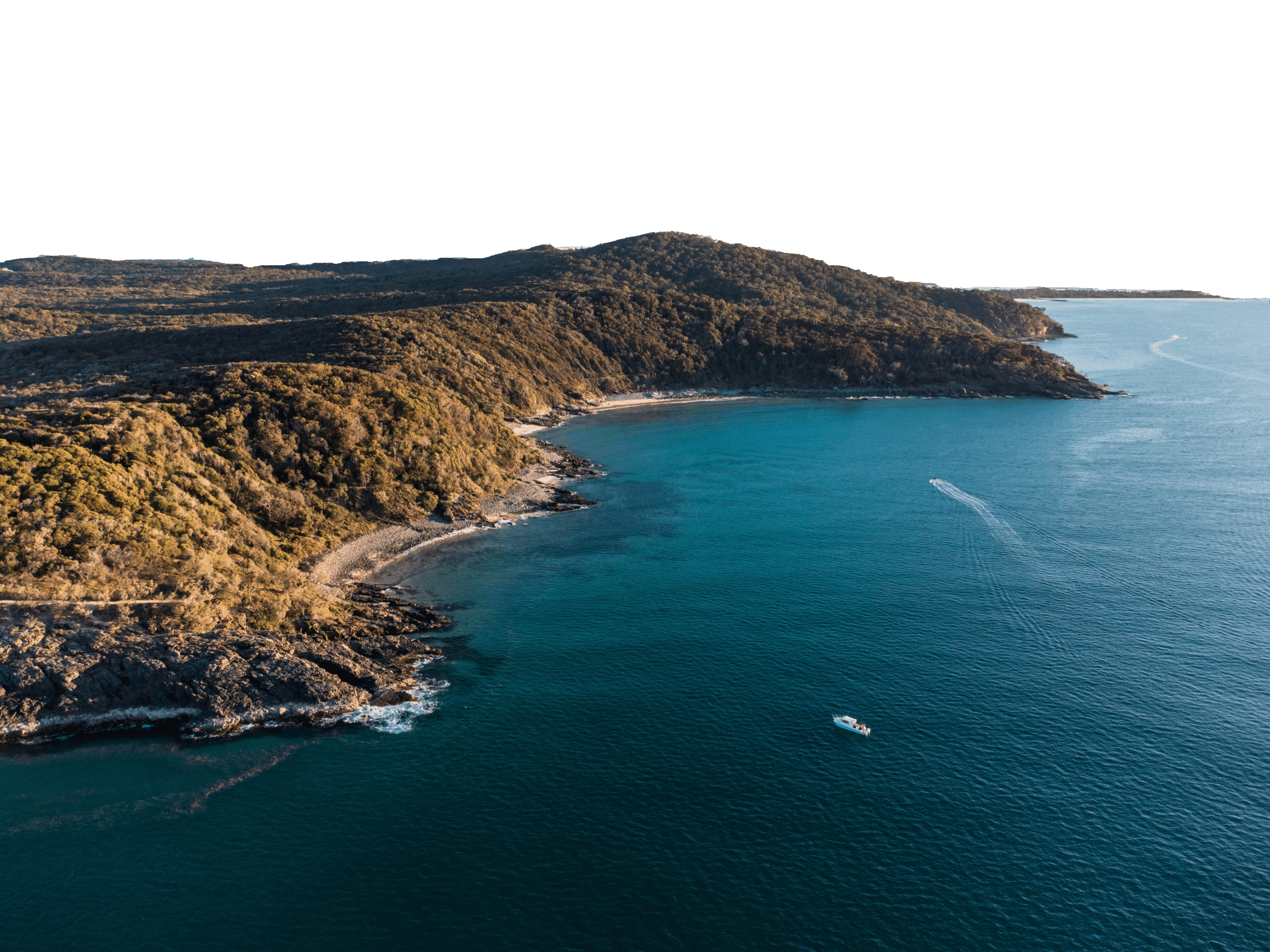
Noosa Shire Landholder Guide
How To Use This Guide

The development of this guide has been made possible with the support of Noosa Council.
Noosa Landcare would like to acknowledge the contributions from Noosa Council’s Land For Wildlife Program, Noosa Parks Association, Noosa Integrated Catchment Association, Urban Wildlife Gardens, Noosa Biosphere Reserve Foundation and the Mary River Catchment Coordination Committee.

Landscape Sections
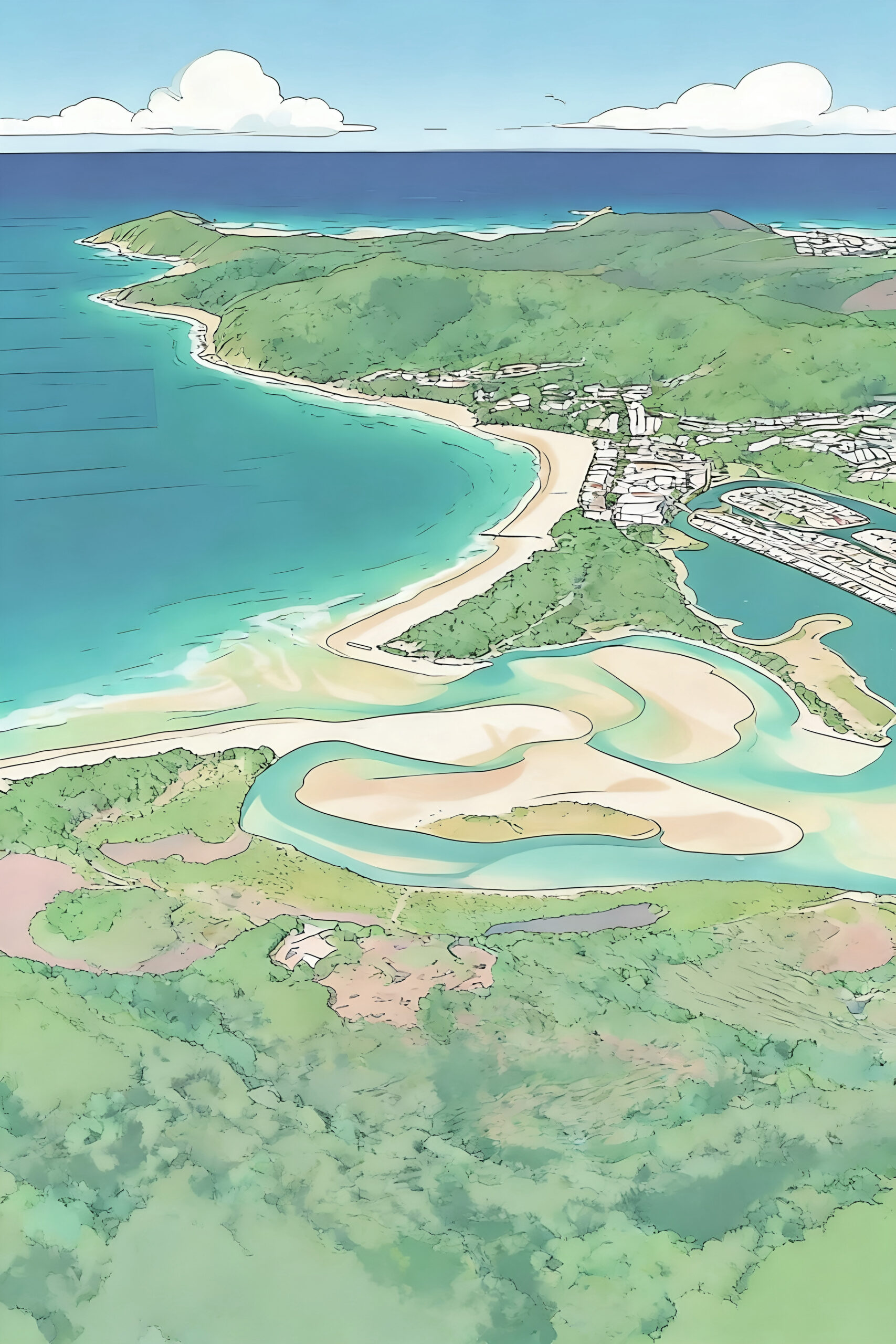
1. Coastal and Estuarine
From the beach to 5km from the coastline
Waterways: Lower Noosa River (Estuarine and Freshwater wetlands) and coastal creeks.
Sand-based streams, lake systems and estuary.
Plant communities: Littoral rainforest, Paperbark wetlands and woodlands, Open Eucalypt Forest, heath, mangrove and saltmarsh.
Geology and soil: Coastal sand hills and old coastal sand plains.
Land use: Residential, industrial, recreational parks, national park and bushland reserves. This has a high population density.

2. Riverine and floodplain
From 5-40km from the coastline
Waterways: Noosa subcatchment creeks – Kin Kin, Cooroibah, Ringtail, Cooloothin, and Sandy Creek and main trunk of Six-Mile Creek and connecting tributaries of the Mary River.
Lake systems, sand-based streams and clay-based streams.
Plant communities: Paperbark wetlands and woodlands, Coastal and subcoastal floodplain grass swamps, Open and Tall Open Eucalypt Forest, Rainforest and Vine Thickets
Geology and soil: Alluvial and old coastal sand plains.
Land use: Residential, rural residential, rural – lifestyle blocks and primary production, small areas of industrial, recreational parks, national park and bushland reserves.
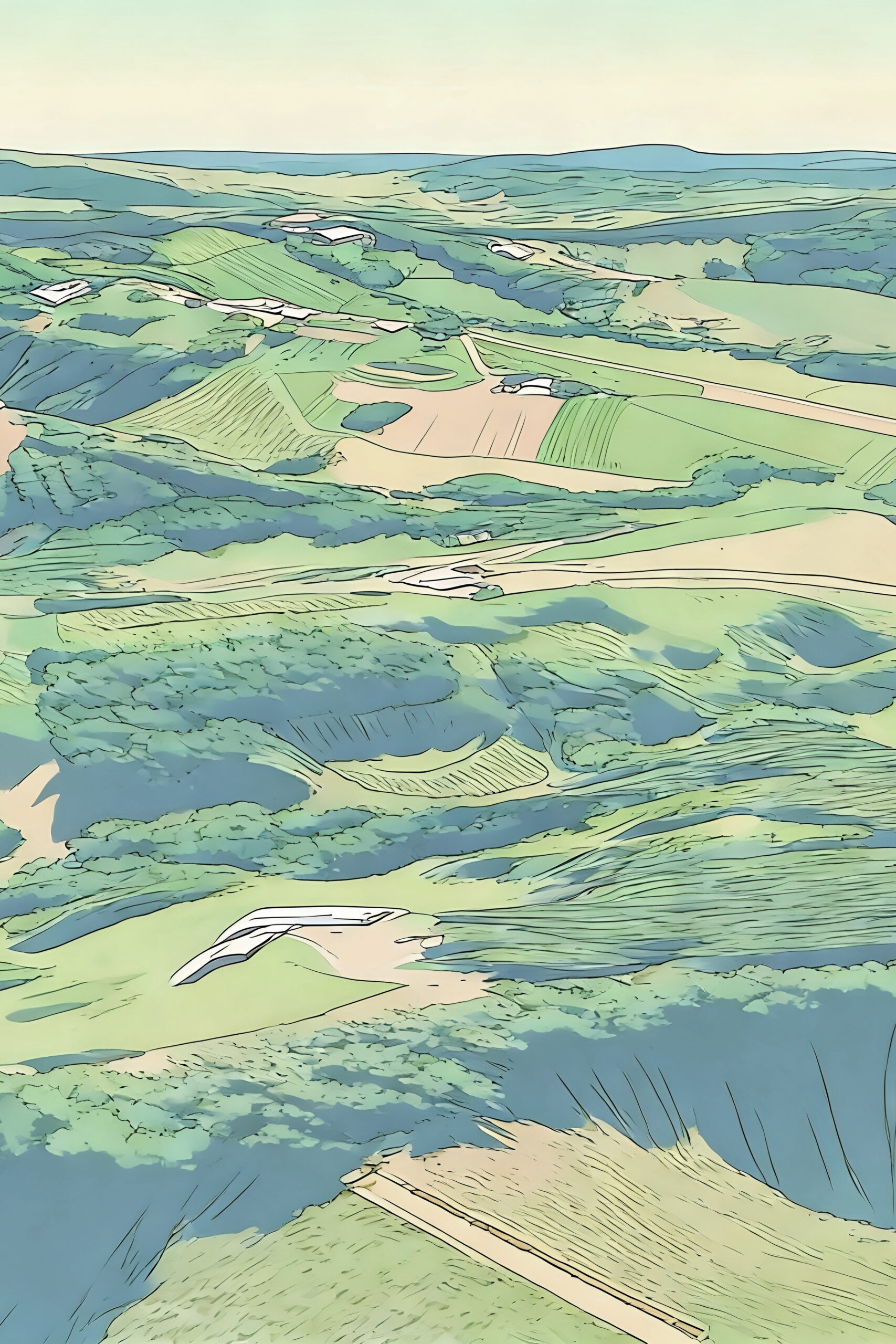
3. Foothills
From 10km – 40km of the coastline
Waterways: Upper Noosa subcatchment creeks – Kin Kin, Cooroibah, Ringtail, Cooloothin Creek, and Sandy Creek, Mary River Catchment – Upper Six-Mile Creek Catchment.
Clay-based streams, sand-based streams, and gravel-based streams.
Plant communities: Paperbark wetlands and woodlands, Open and Tall Open Eucalypt Forest, Rainforest and Vine Thickets
Geology and soil: Alluvial fans, and softer, younger, or highly eroded sedimentary rock layers.
Land use: Residential, rural residential, rural – lifestyle blocks and primary production, recreational parks, national park and bushland reserves.
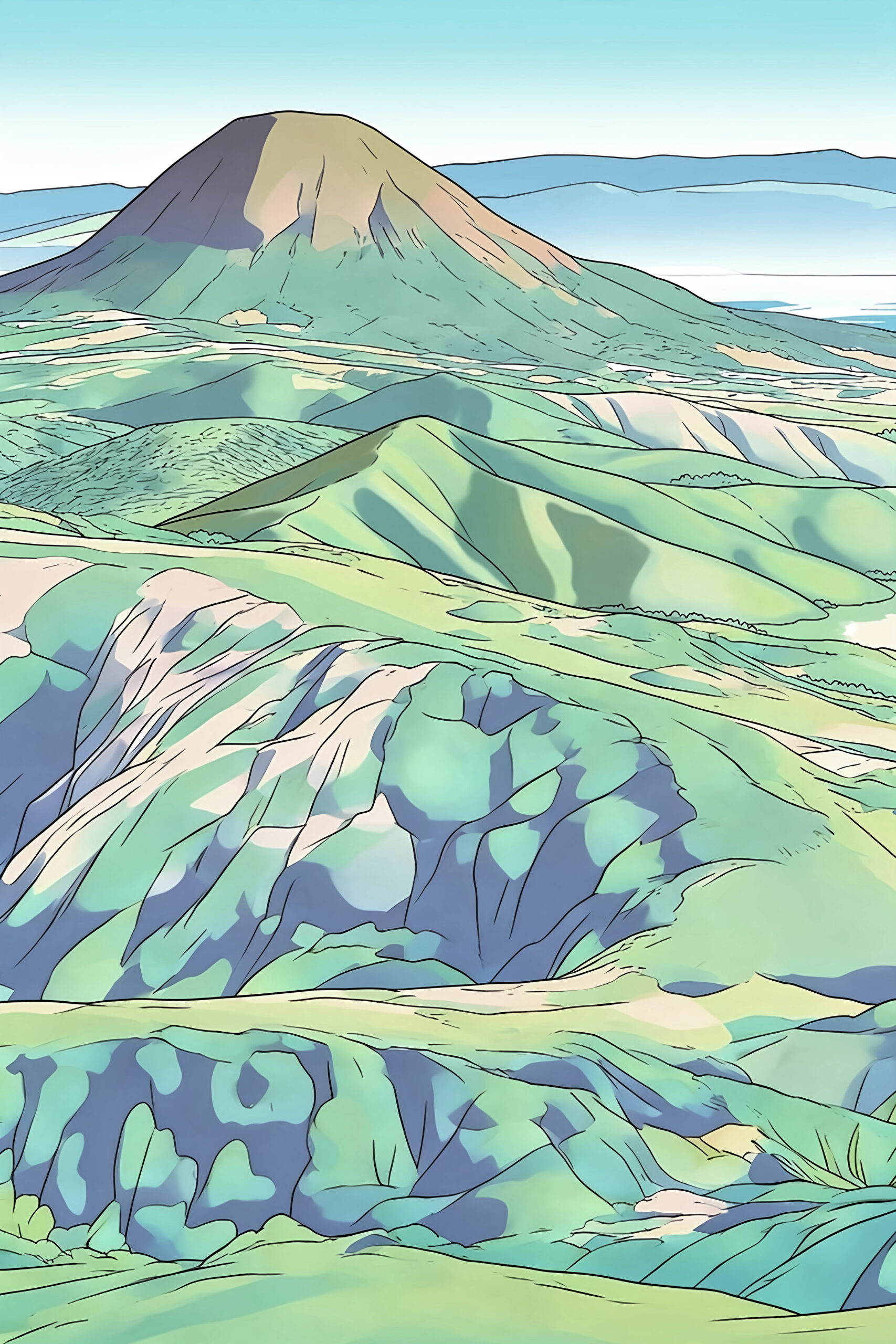
4. Ridges and Ranges
From 20km -40km of the coastline
Waterways: Headwaters of Kin Kin Creek, Six Mile Creek and Belli Creek.
Bedrock streams, clay-based streams, and gravel-based streams.
Plant communities: Open and Tall Open Eucalypt Forest, Rainforest and Vine Thickets
Geology and soil: Igneous and metamorphic rock layers.
Land use: Residential, rural residential, rural – lifestyle blocks and primary production, recreational parks, national park and bushland reserves.
We would love to hear from you!
We’re seeking your feedback to help improve the Noosa Shire Landholder Guide. This short survey asks about your experience using the online guide, its usefulness, and how well it meets your needs as a landholder. Your responses will help us understand what’s working, what could be clearer or more helpful, and what additional resources you’d like to see included.
Thank you for taking a moment to help us make the guide even more practical and valuable for our community.