
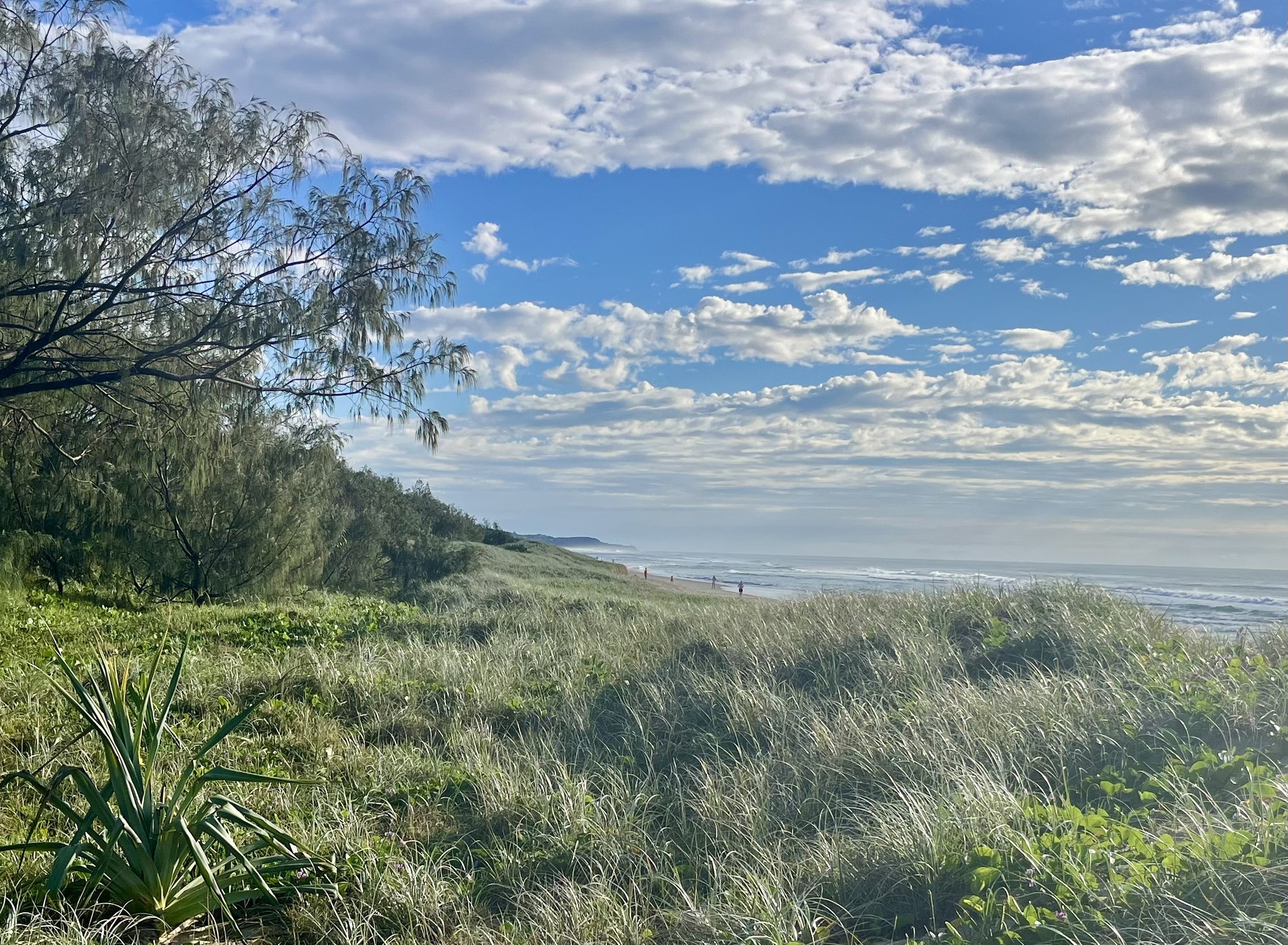
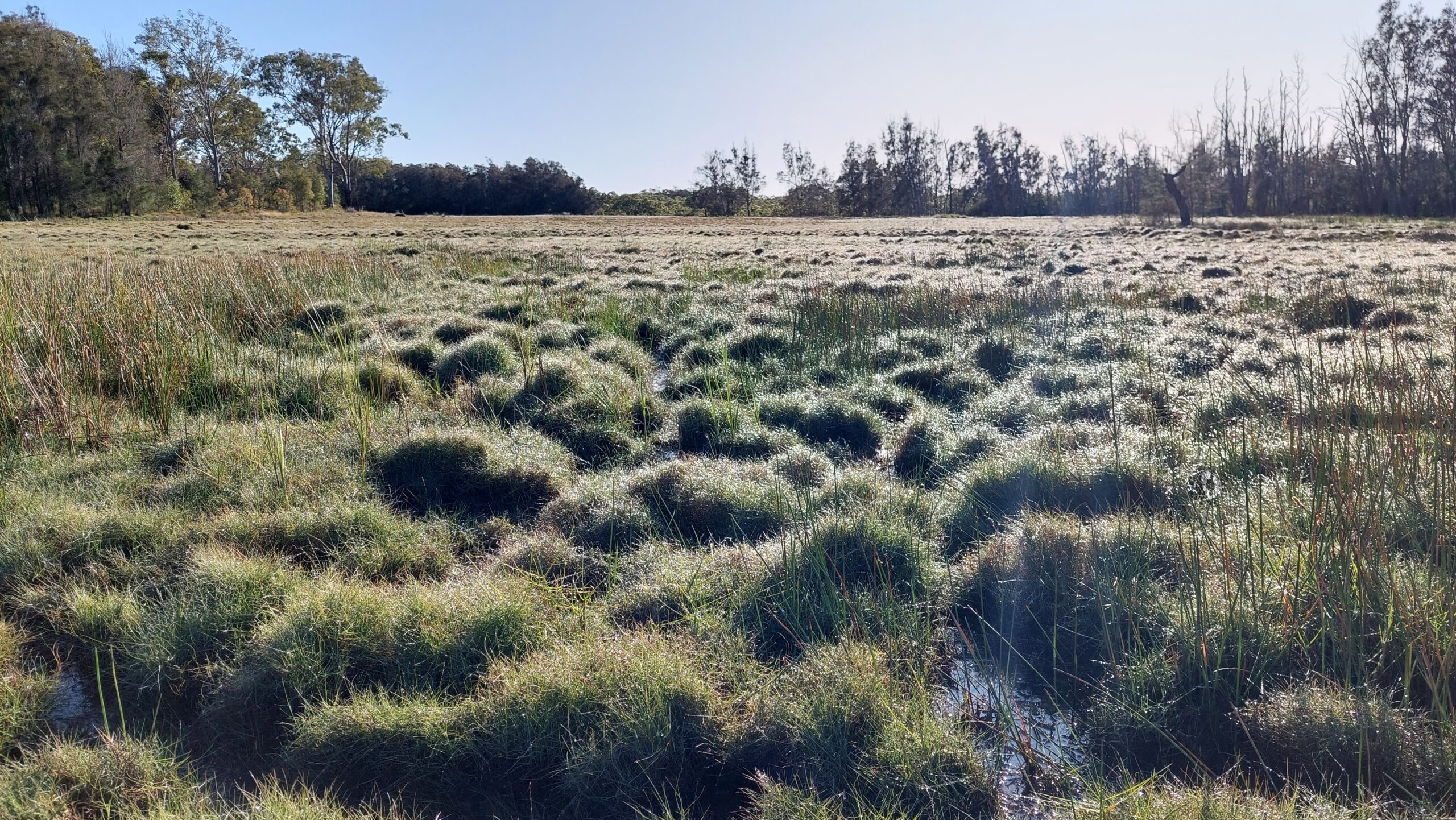
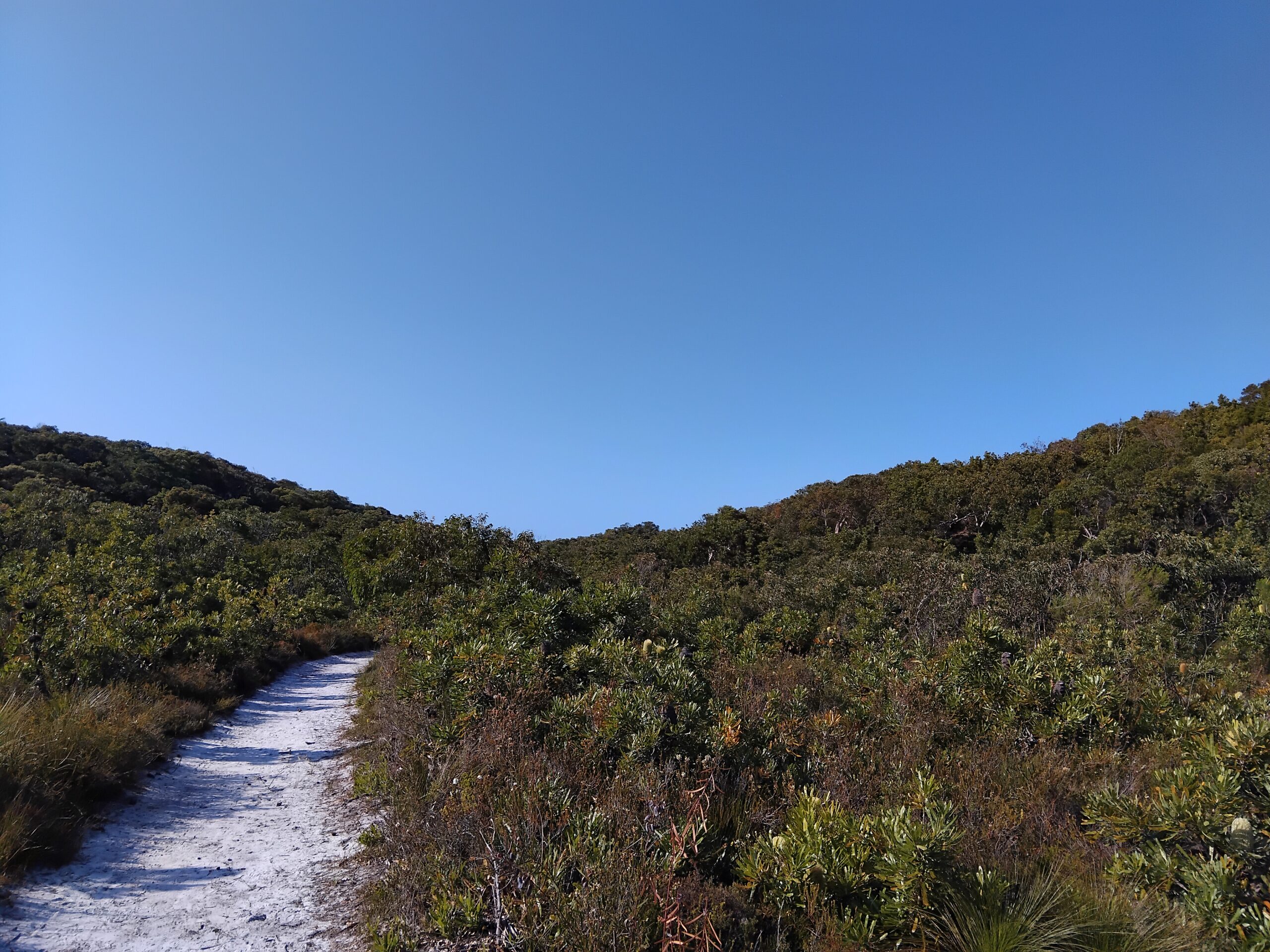
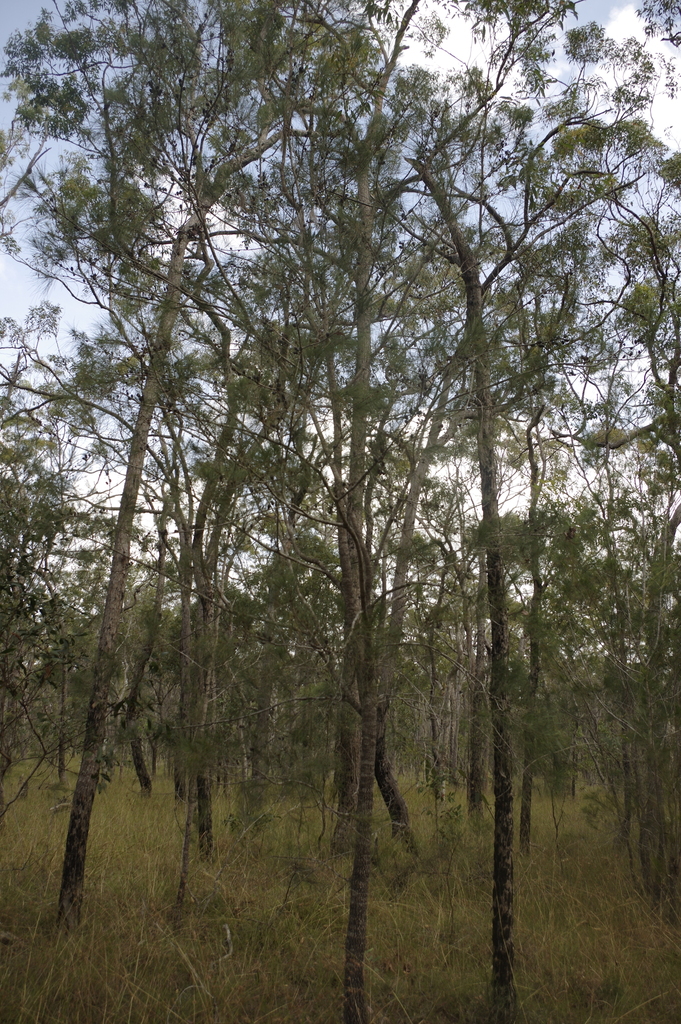
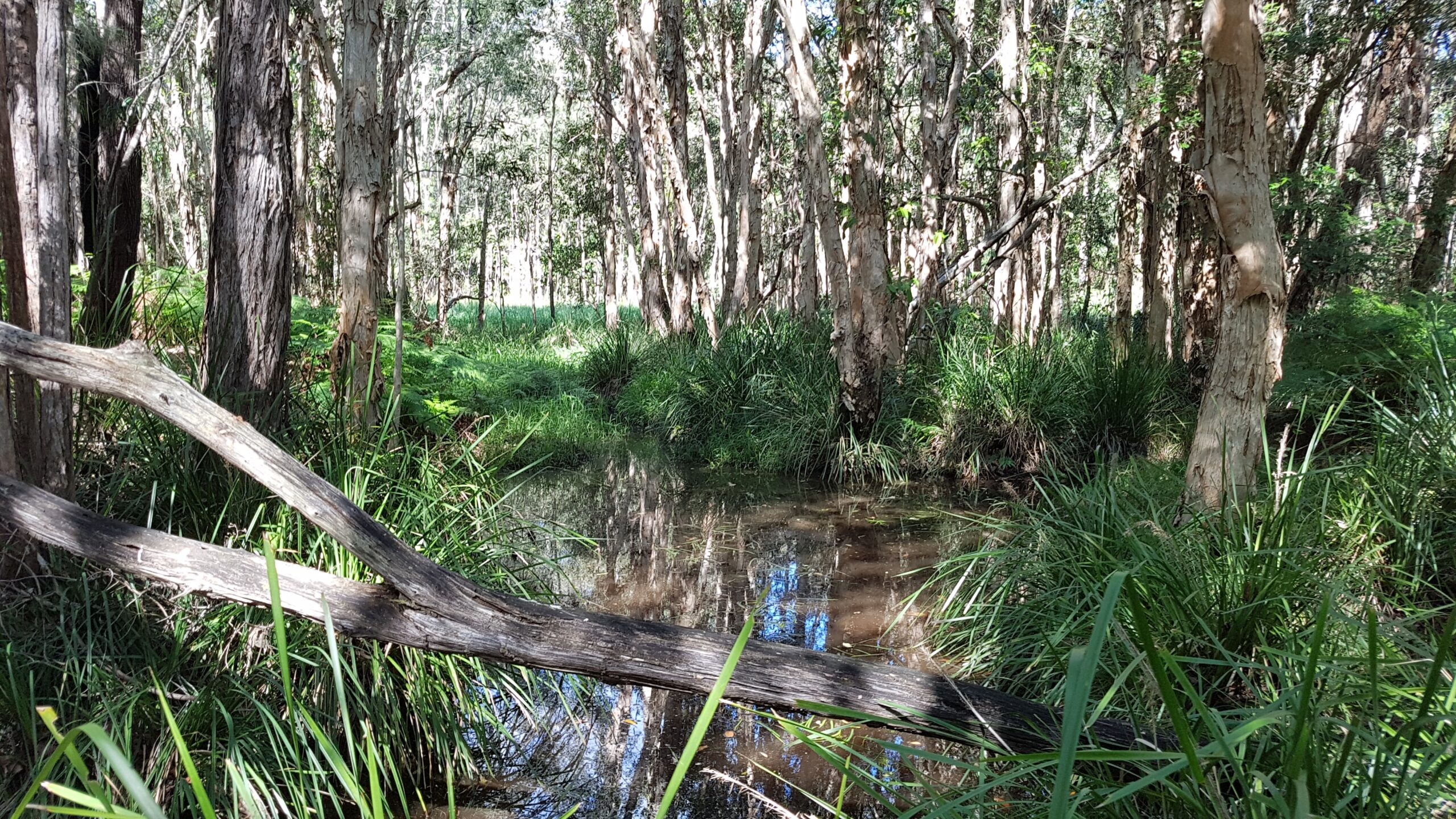
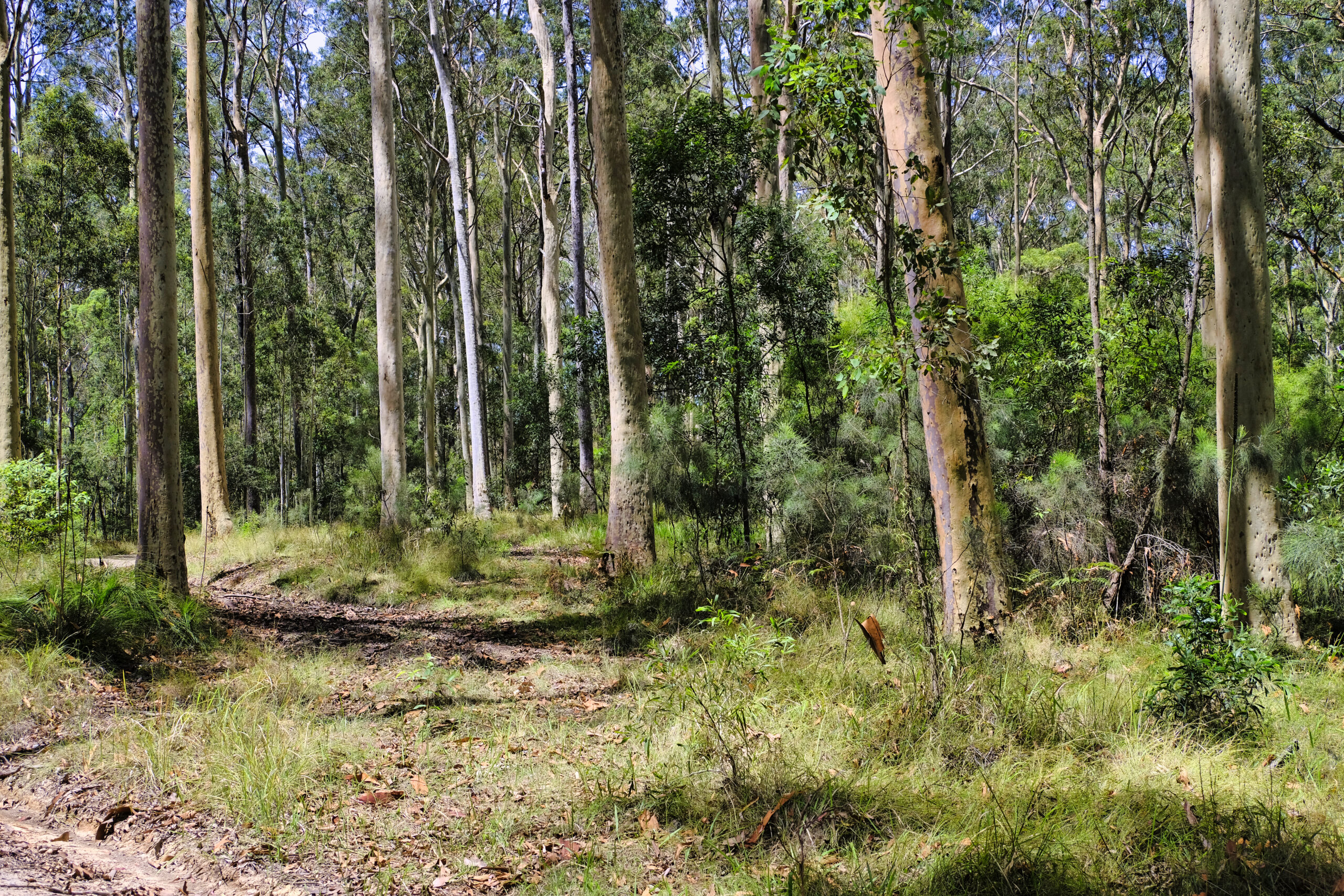
Across Noosa Shire, the landscape is alive with a rich mosaic of vegetation communities shaped by soil, geology, climate, fire or the lack of, and the unique mix of plants and animals.
The vegetation communities have been adapted from the Broad Vegetation Groups (BVG) of Queensland and Major Vegetation Groups (MVG) of Australia, with local insights added to make them relevant for Noosa landholders.
For each community, we share details on species composition, fire relationships, ecological values, local threats, and practical management guidelines—helping you restore and care for these ecosystems on your property.
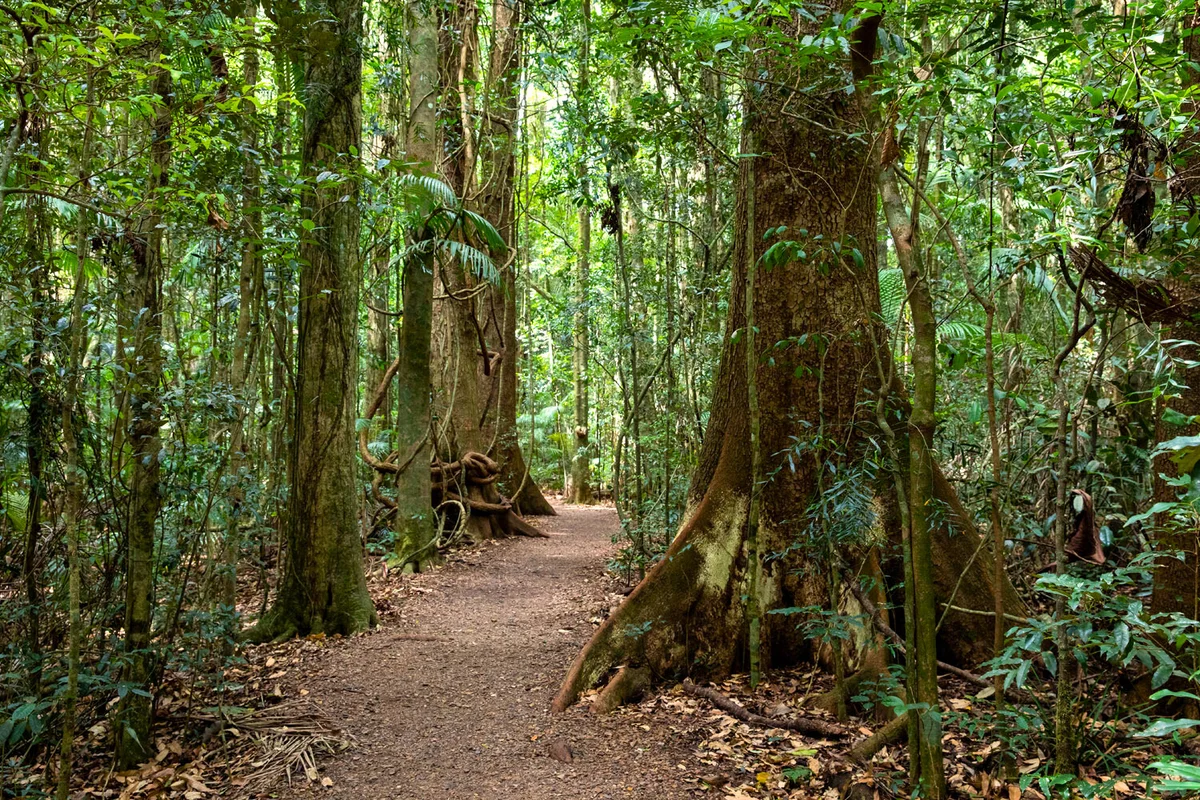
A note on regrowth vegetation:
Much of the Noosa hinterland was cleared for agriculture and small cropping in the early 1900’s. Many of the first settlers had come from the Big Scrub district of Northern NSW where they had developed a clearing technique called driving. This is where all the trees on a hillside were partially cut, then a large tree at the top of the slope was felled, causing a domino effect where the entire forested hillside collapsed. When the fallen trees and vines had dried out, the material was burnt, then crops or pasture grass were sown in the ashes.
One hundred years later community attitudes and land use patterns have changed in the area. Many of the steep slopes and waterways have regenerated or been replanted with a range of native species. There are now many landowners who see themselves as forest custodians and are nurturing the patches of regenerating forests on their properties.
The first native trees to colonise these cleared areas are called pioneer species. Common pioneer species in the area include Hickory Wattle (Acacia disparrima), Black Wattle (Acacia melanoxylon), Brown Kurrajong (Commersonia bartramiana), and Soap Tree (Alphitonia excelsa). These species enrich the soil with organic matter and act as perch trees for birds which introduce seeds of other species onto the ground. This process is called natural regeneration or plant succession and is the way in which cleared land can naturally revert back to remnant bushland over time.
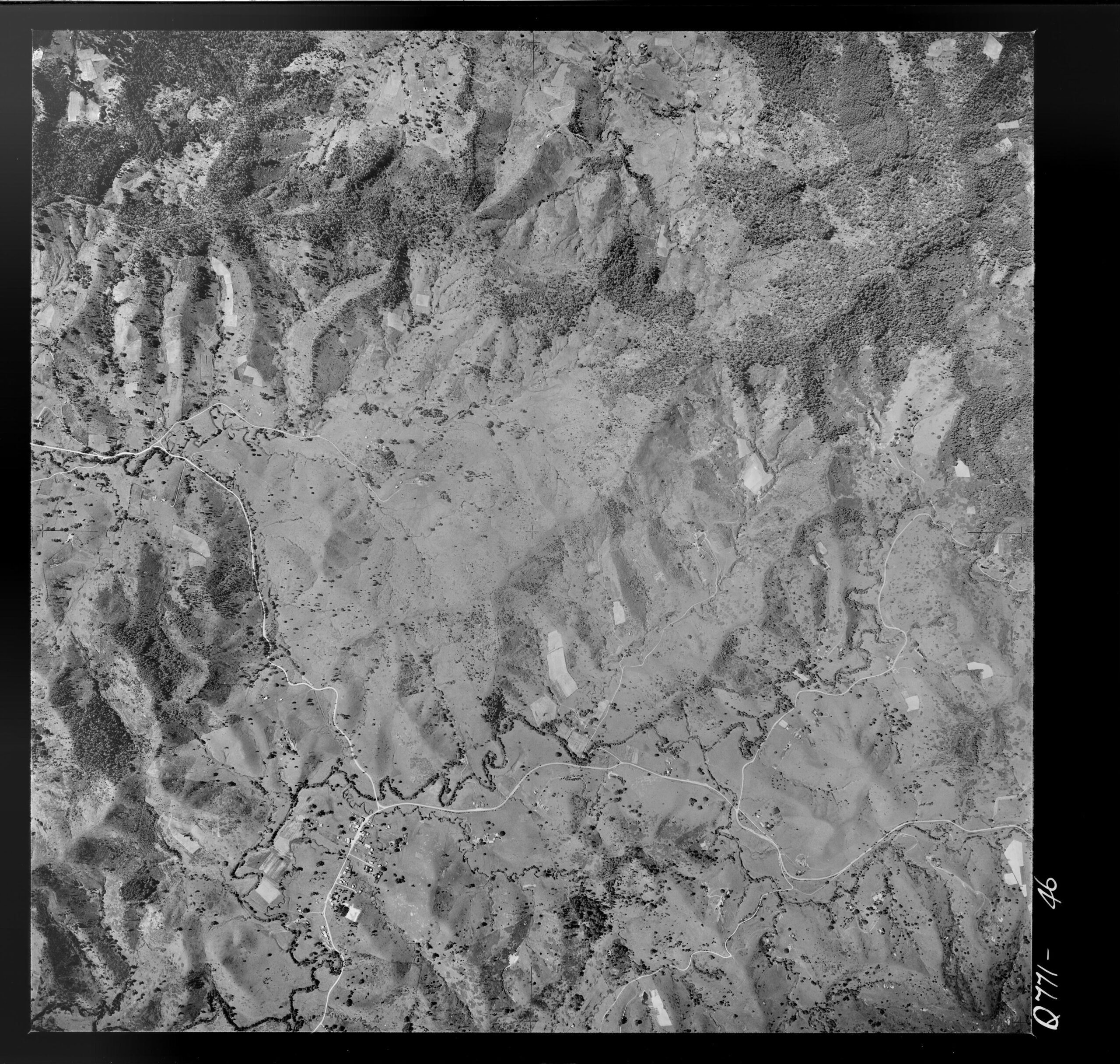
Kin Kin Region 1958
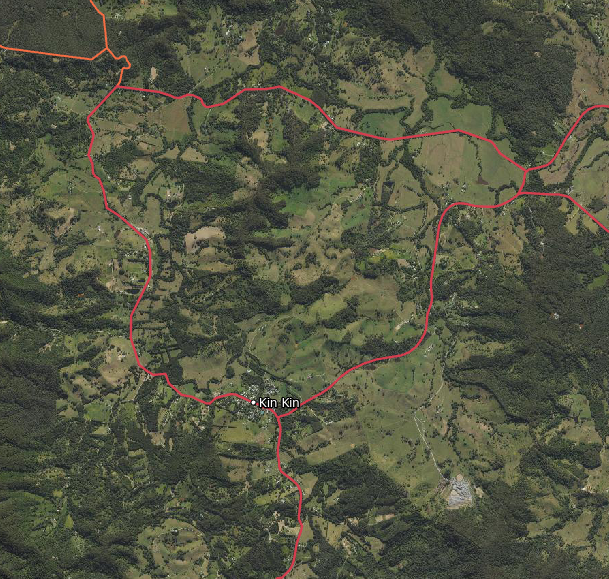
Kin Kin Region 2025
Explore Noosa’s waterways
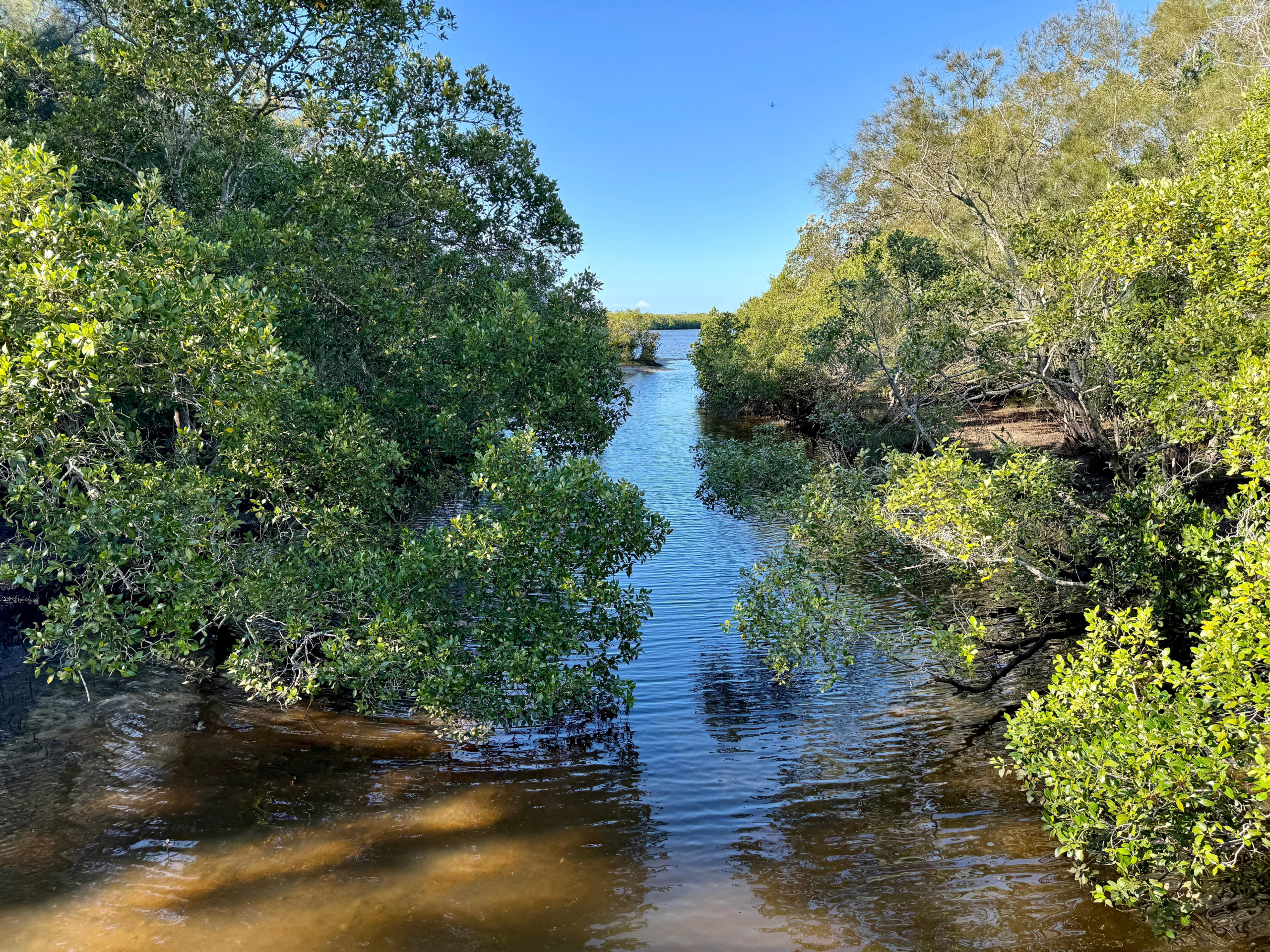
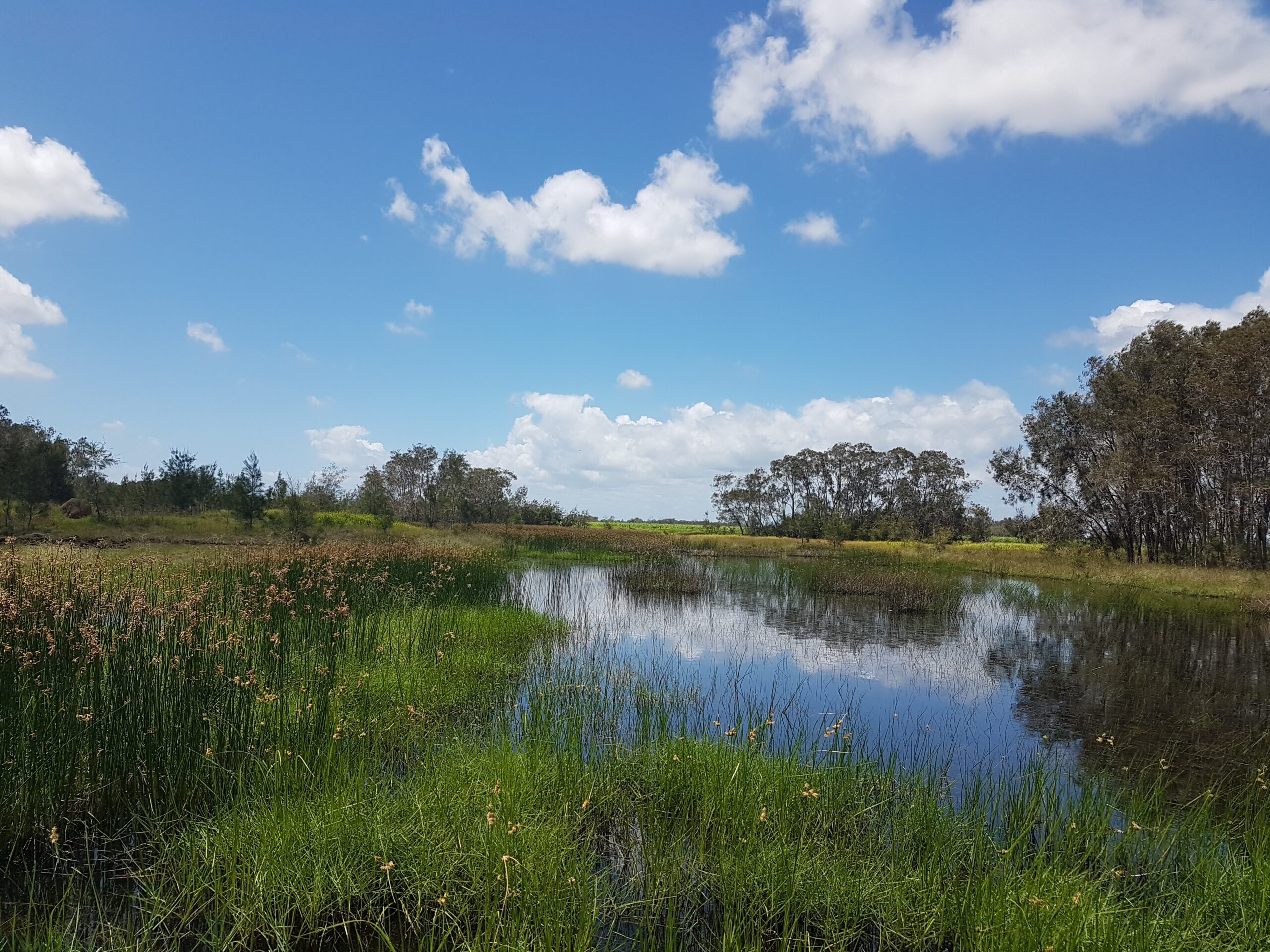
Noosa Shire is shaped by two major river catchments—the Noosa and Mary Rivers—along with unique coastal creeks and wetlands. These waterways are more than scenic landscapes; they safeguard biodiversity, support agriculture, provide drinking water to our community, and offer endless opportunities for recreation.
Explore their values, understand the challenges, and learn how you can support healthy waterways on your own block.