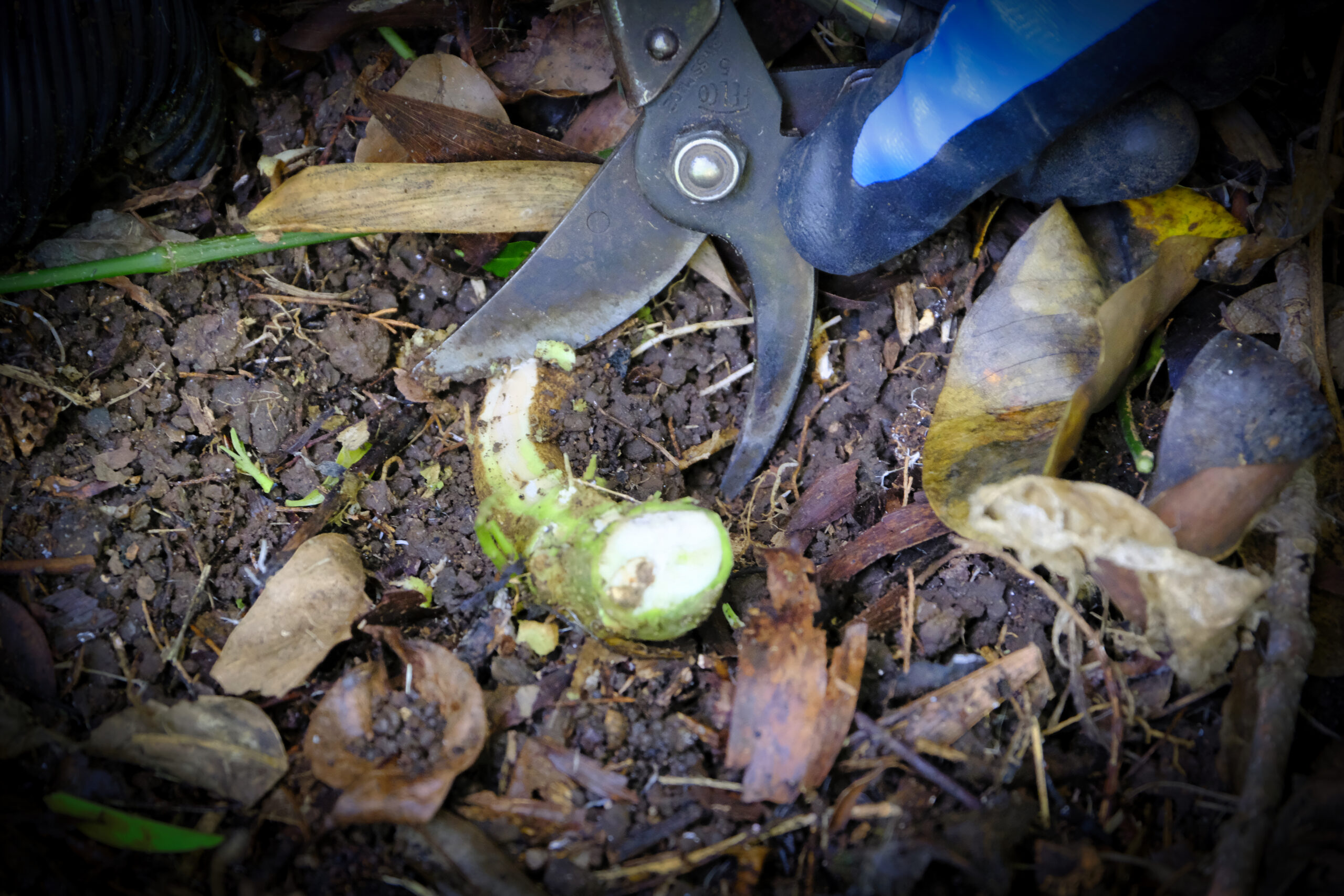
Weeds
There are a number of definitions to the term ‘weed’. But simply, weeds are commonly seen as plants not in its right place.
When managing bushland areas, our focus is on environmental weeds. These are introduced plant species that impact the ecological function of an ecosystem or threaten the survival of local fauna and flora. They often grow vigorously or reproduce easily and can be resilient to a range of environmental conditions. Environmental weeds can be categorised along a spectrum of priority based on the severity of their impact.
Environmental weeds should always be treated as a symptom of a problem not just the cause. Weeds can be a symptom of changes in:
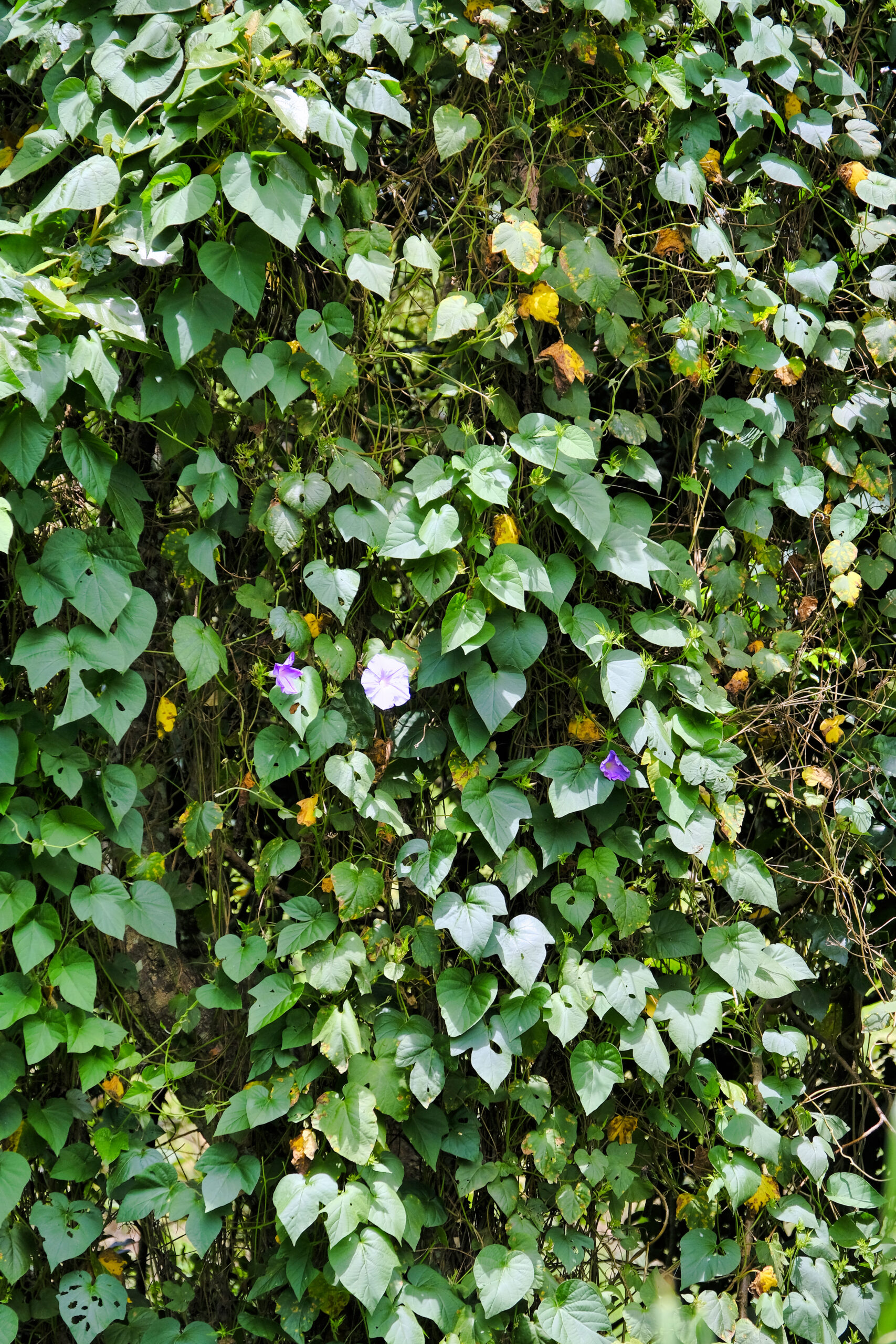
What’s that weed?
Need support identifying a potential weed on your property?
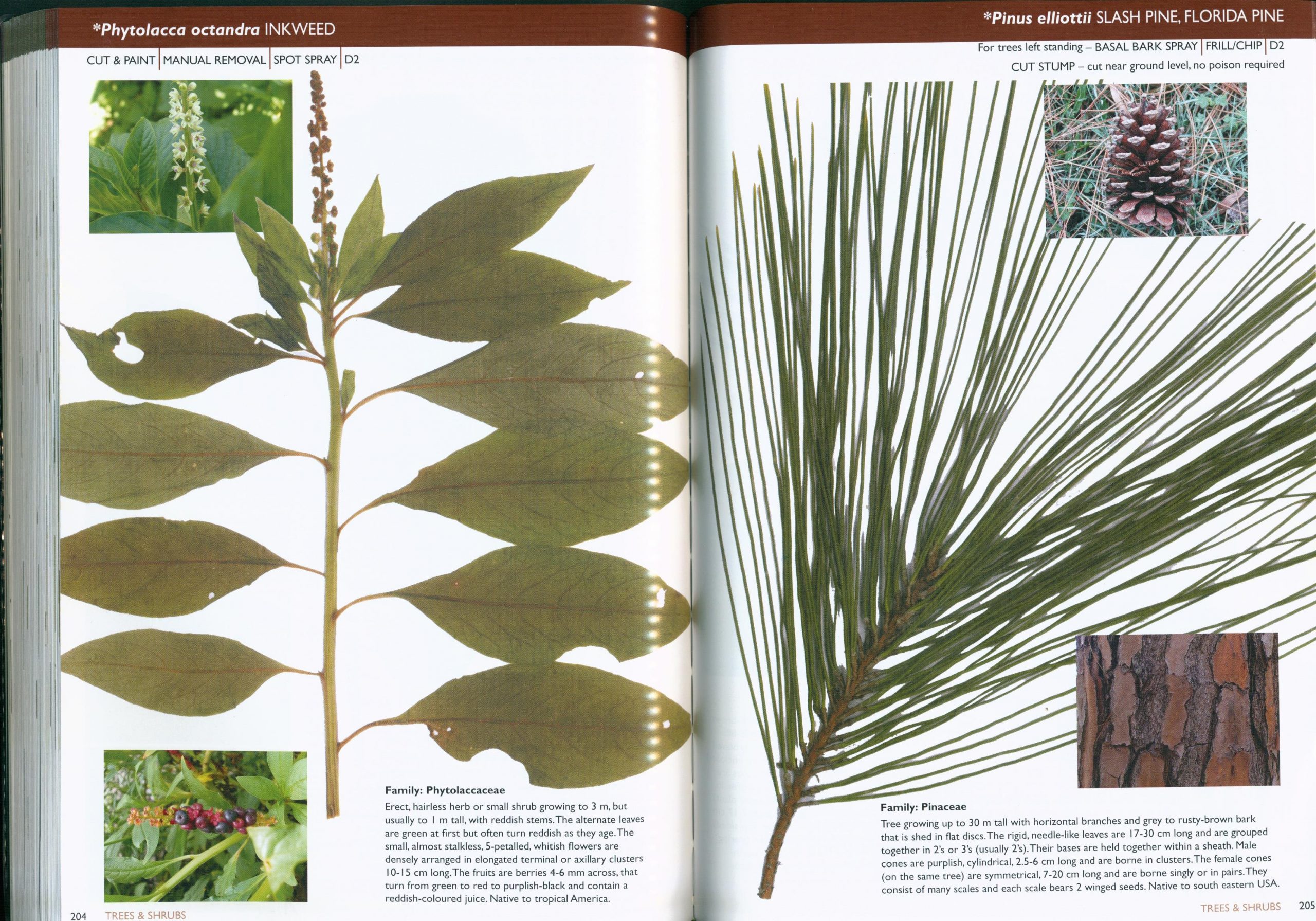
There are a number of great reference books that you can use to help identify weeds on your block. All reference books are available at our Hinter Hub store (native nursery and store in Pomona) for purchase.
Alternatively, you can bring in a plant sample or photo to the Hinter Hub store for one of our friendly staff to assist with the identification of the plant. Please be sure to photograph or collect a sample that is a comprehensive example of the plant. If a fruit or flower is present, please take a photo of this too.
There are phone applications to try also, these include:
Weeds of the Noosa Shire
Weed species can be categorised along a spectrum of priority based on the severity of their impact to an ecosystem.
The list below is a number of potential priority environmental weeds on your block.
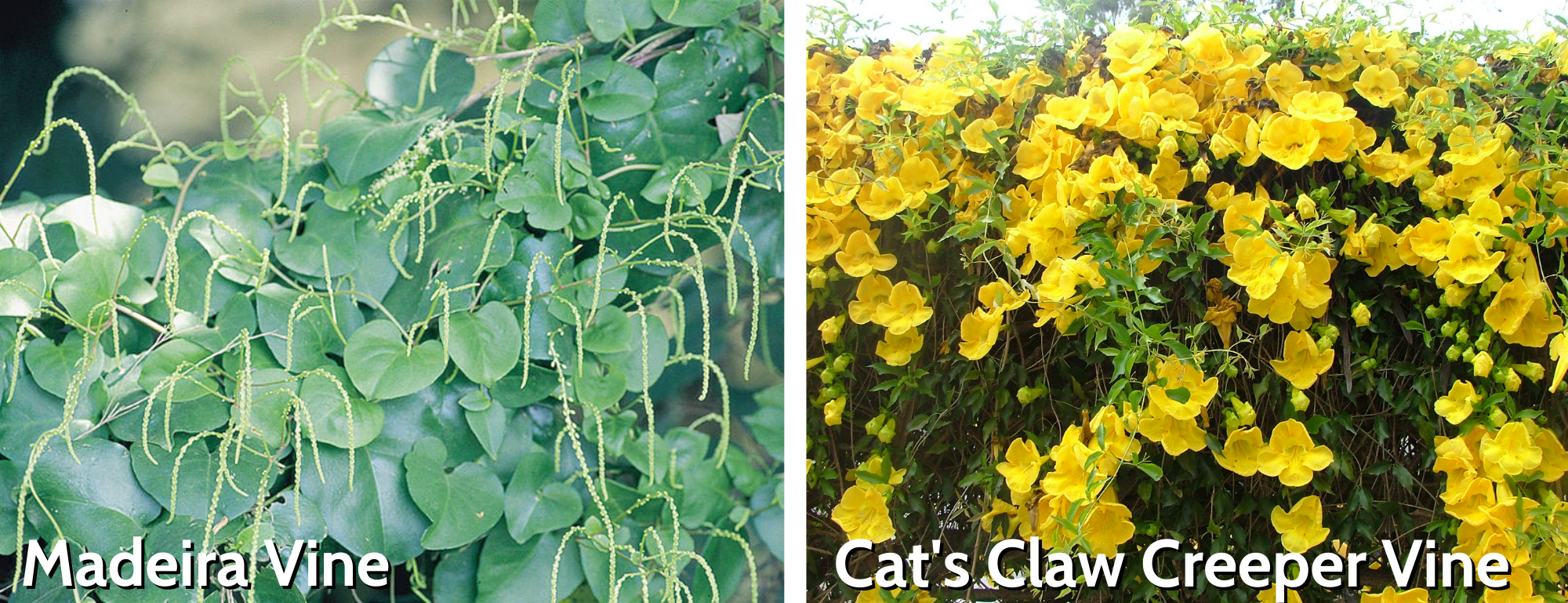
Cat’s Claw Creeper Vine
(Dolichandra unguis-cati)Weed of National Significance (WONS).
Transformer weed
Significantly reduce native plant regeneration and plant biodiversity across the infested areas.
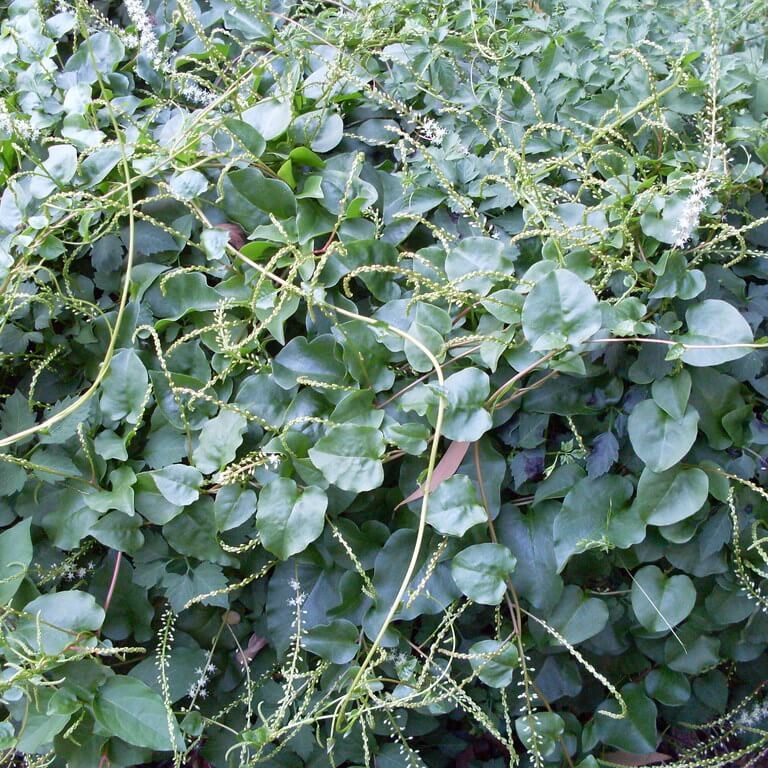
Madeira vine
(Anredera cordifolia)Transformer weed
Significantly reduce native plant regeneration and plant biodiversity across the infested areas.
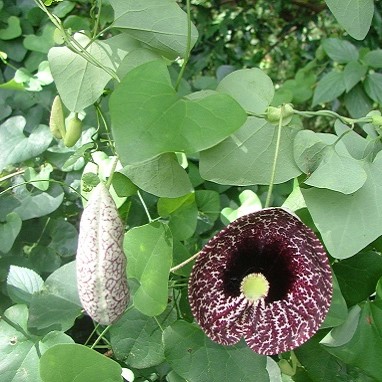
Dutchman’s Pipe
(Aristolochia elegans)Ecological trap!
Leaves kill the larvae of the threatened Richmond Birdwing Butterfly mistakenly laid on this vine.
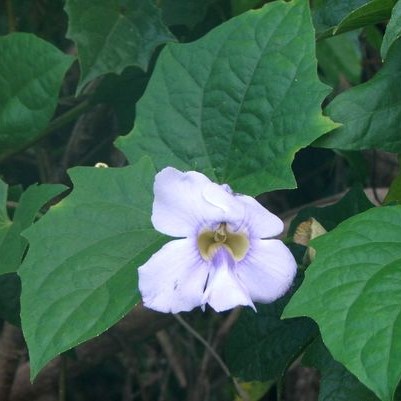
Thunbergia
(Thunbergia grandiflora syn. T. laurifolia)Risk of becoming a transformer weed.
Significantly reduce native plant regeneration and plant biodiversity across the infested areas.
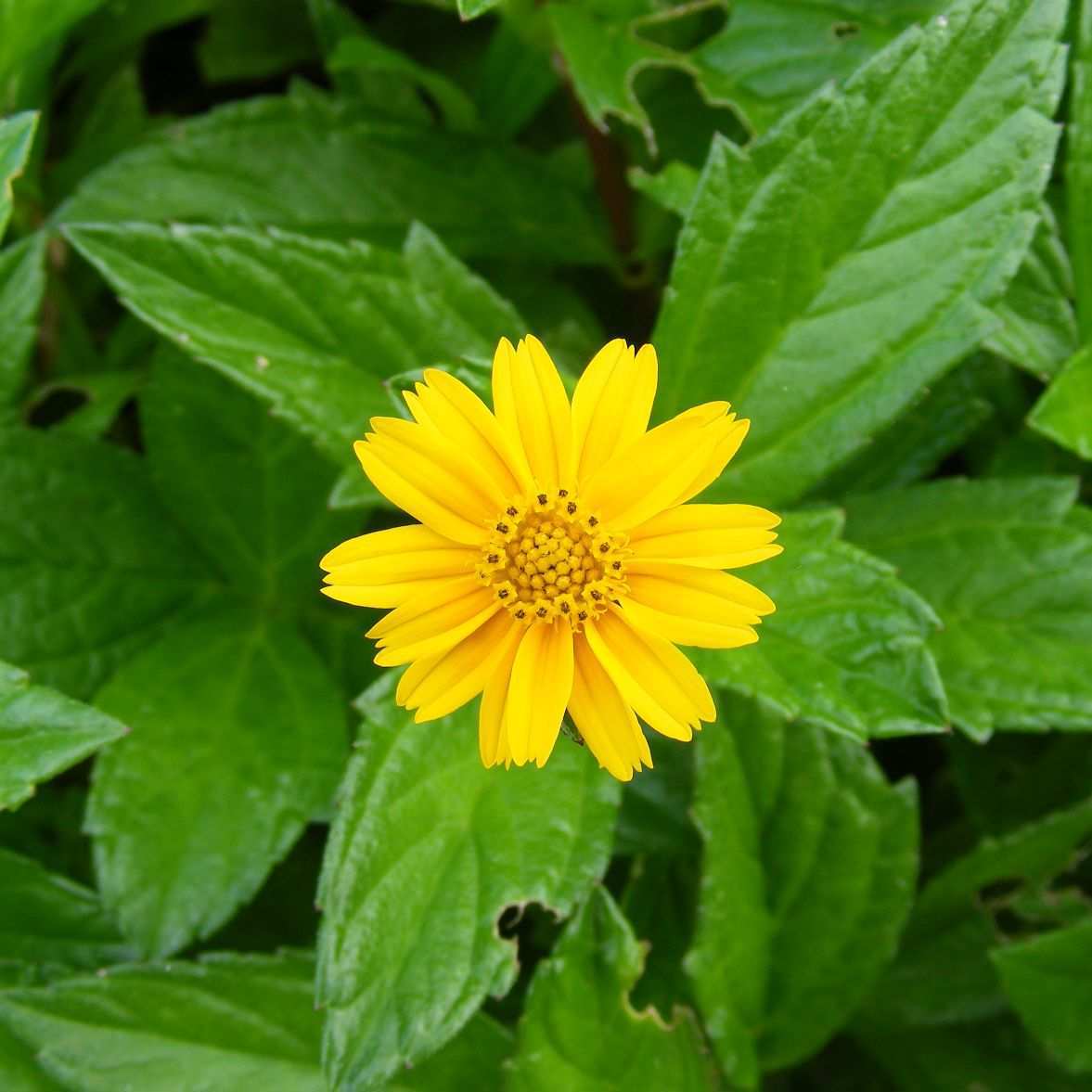
Singapore daisy
(Sphagneticola trilobata syn. Wedelia trilobata)Aggressive, quick growing groundcover.
Can reduce native plant regeneration and plant biodiversity across the infested areas.
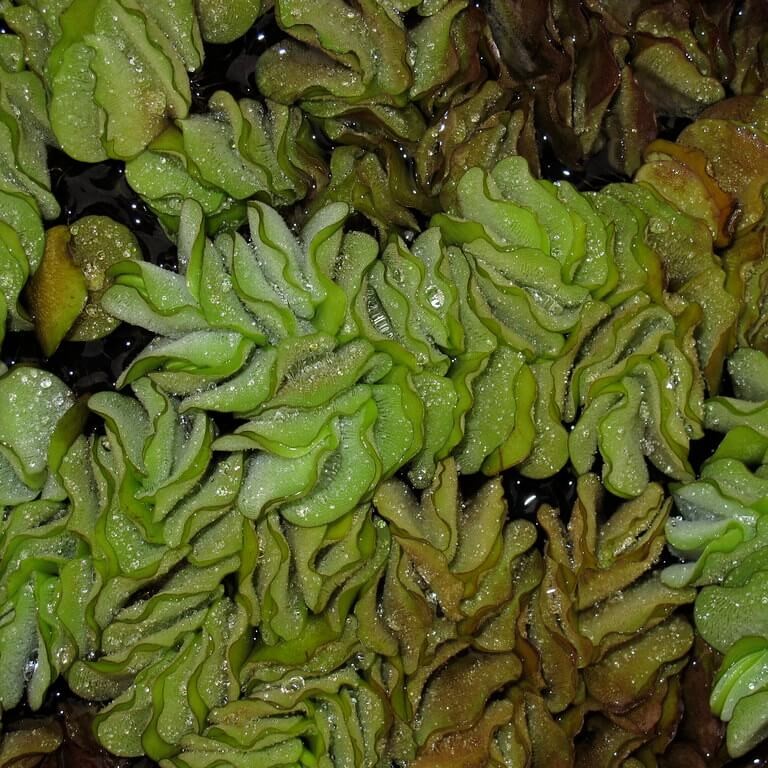
Salvinia
(Salvinia molesta)Aquatic weed. Smothers still or slow-moving water.
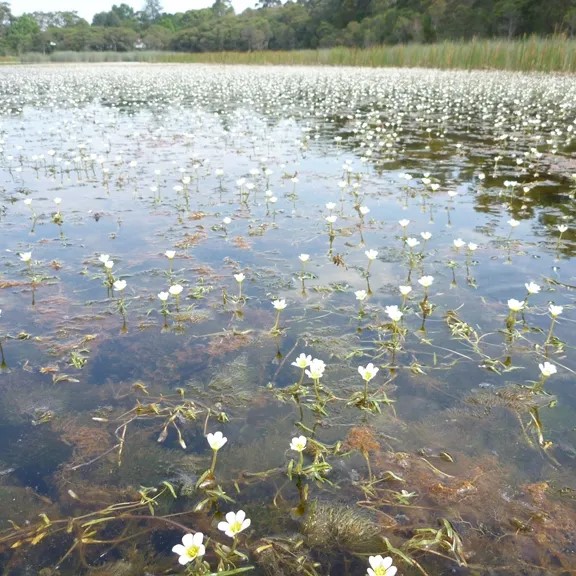
Cabomba
(Cabomba caroliniana)Aquatic weed. Smothers still or slow-moving water.
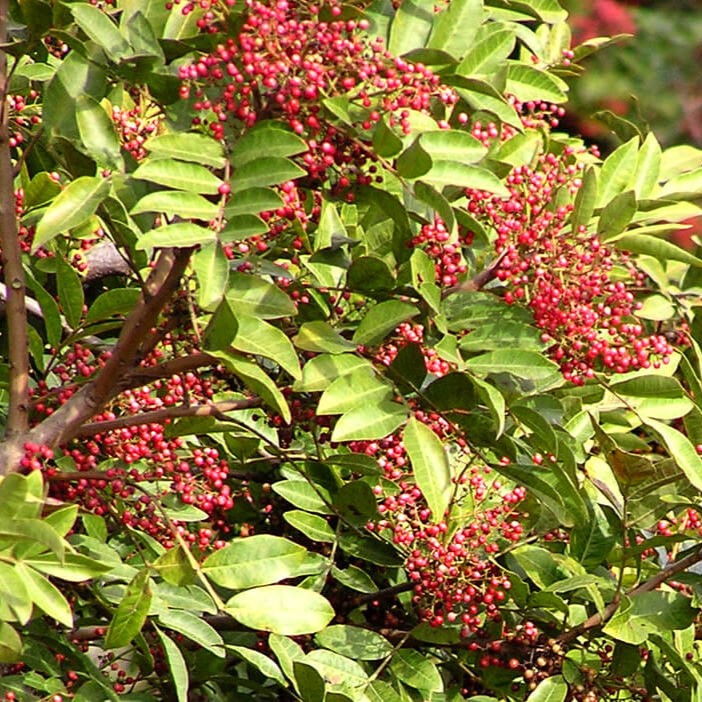
Broad-leaved pepper tree
(Schinus terebinthifolius)Can reduce native plant regeneration and plant biodiversity across the infested areas.
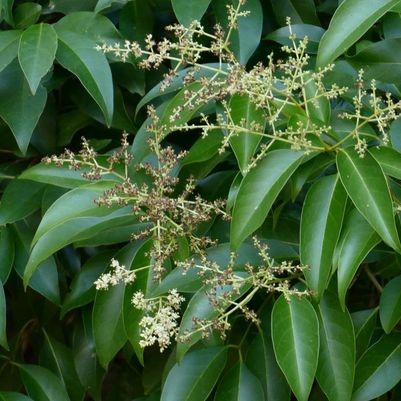
Broad-leaf privet
(Ligustrum lucidum)Large annual seed production and ability to germinate under low light levels.
Forms dense stands and can easily dominate the understory of waterway and rainforest environments, including intact bushland areas.
The leaves and fruit of this species are poisonous to livestock and humans.
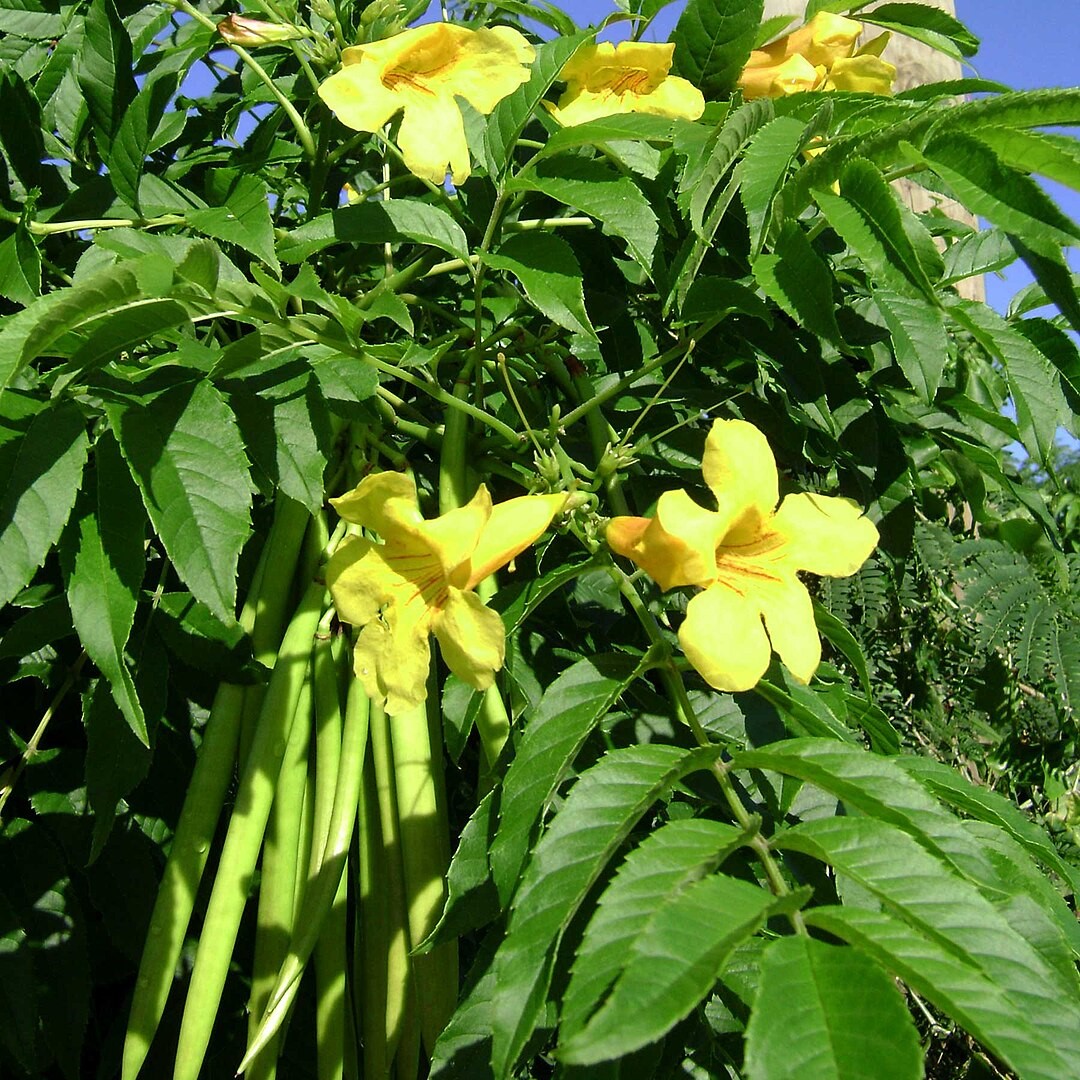
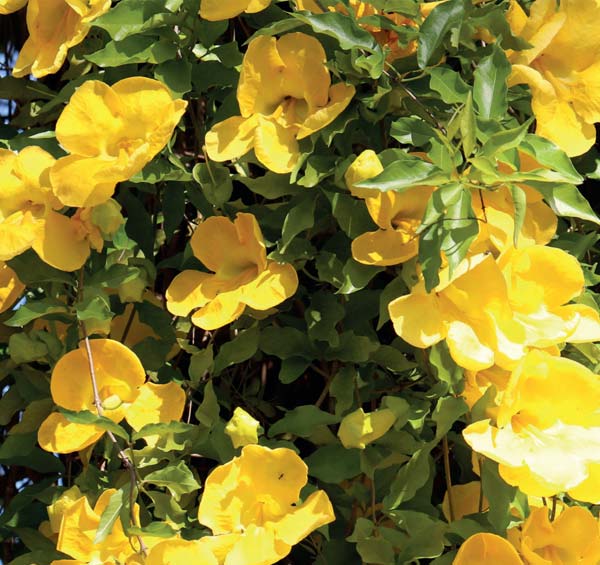
Yellow bells
(Tecoma stans)Adaptable to a wide variety of conditions and very drought hardy.
Forms dense stands. Can reduce native plant regeneration and plant biodiversity across the infested areas.
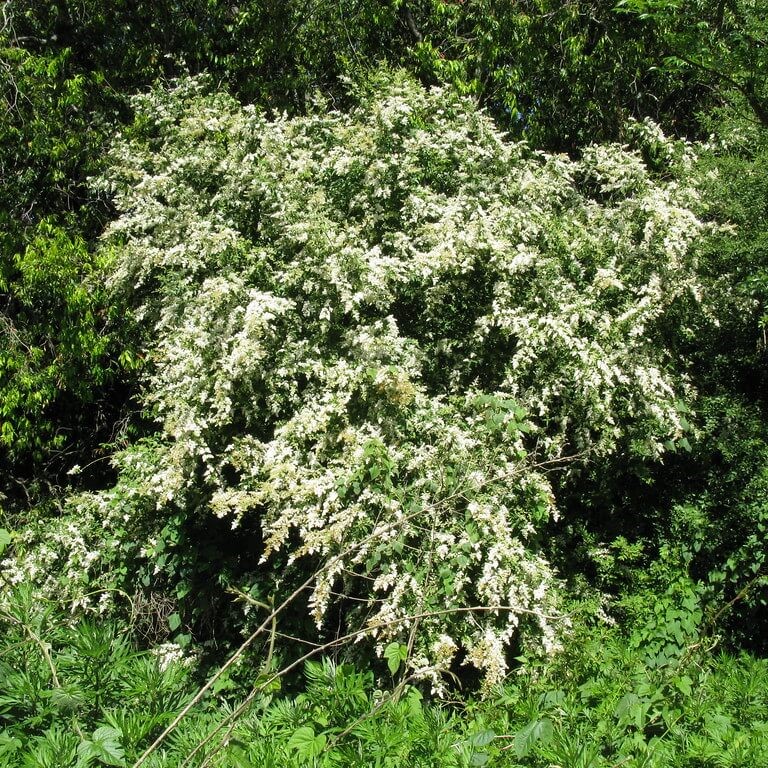
Small-leaf privet
(Ligustrum sinense)Can reduce native plant regeneration and plant biodiversity across the infested areas.
Alter wildlife composition in infested areas.
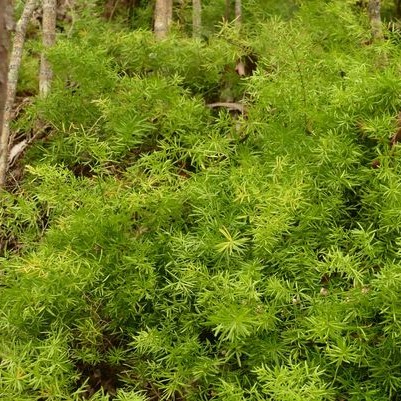
Asparagus fern
(Asparagus aethiopicus, A. africanus and A. plumosus)Forms dense thickets. Can reduce native plant regeneration and plant biodiversity across the infested areas.
Alter wildlife composition in infested areas.
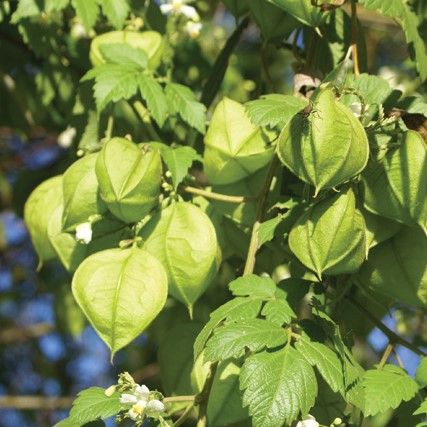
Balloon vine
(Cardiospermum grandiflorum)Fast growing, aggressive vine species. Impact the health of host tree.
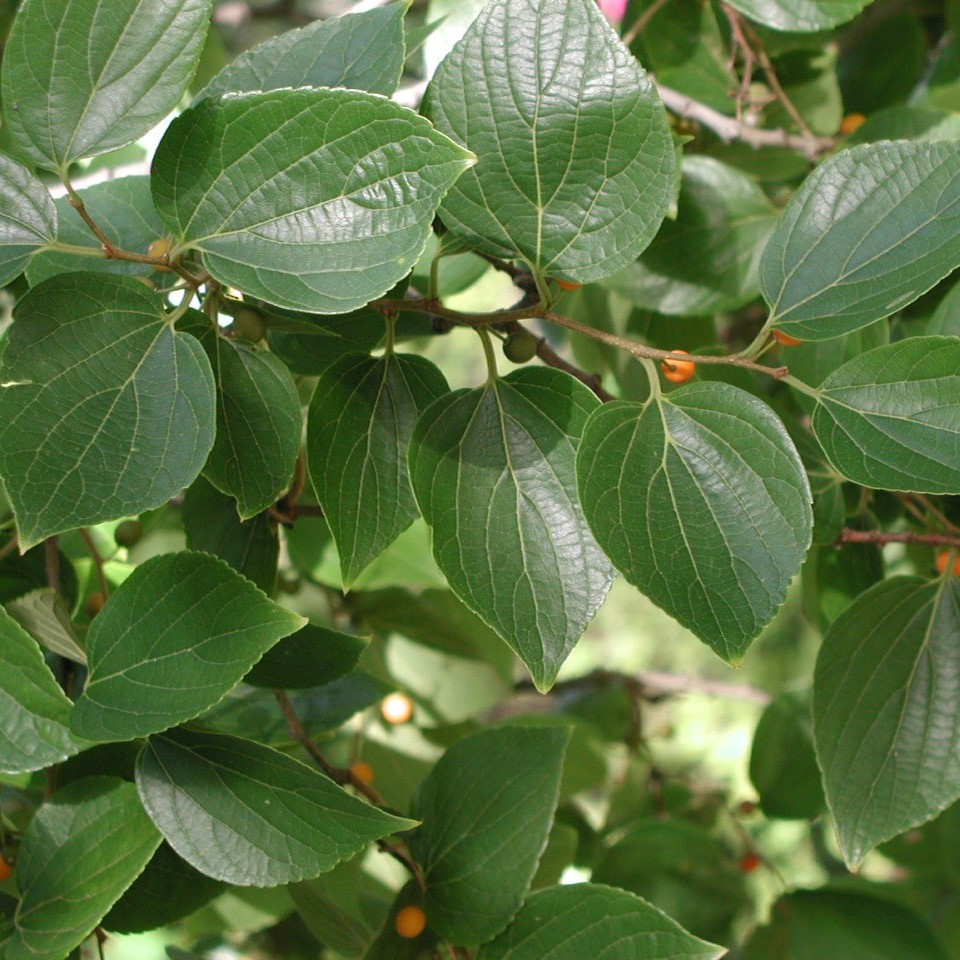
Chinese celtis
(Celtis sinensis)Forms dense stands. Can reduce native plant regeneration and plant biodiversity across the infested areas.
Alter wildlife composition in infested areas.
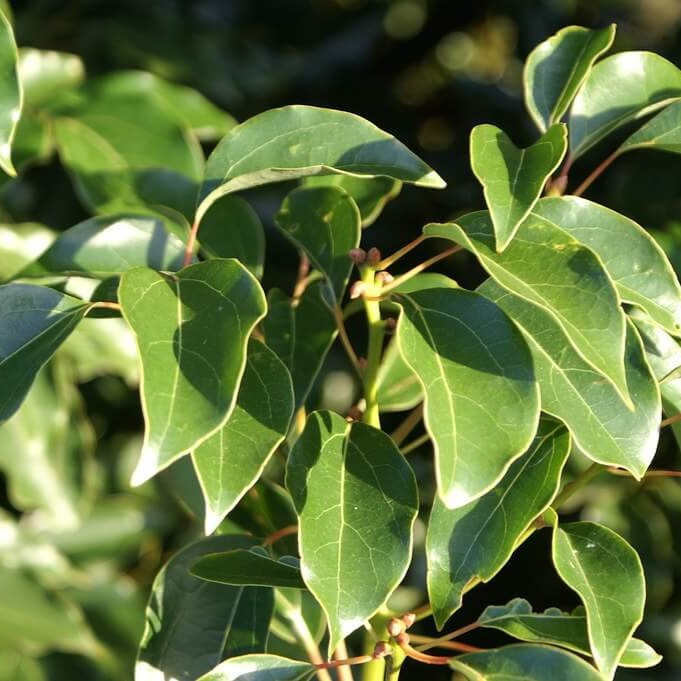
Camphor laurel
(Cinnamomum camphora)It produces many seeds, grows rapidly, and forms dense, single-species communities that can exclude native vegetation.
Alter wildlife composition in infested areas.
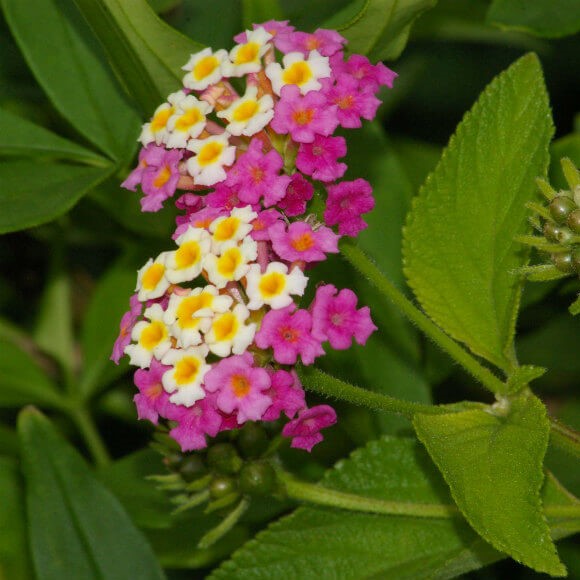
Lantana
(Lantana camara)Forms dense stands. Can reduce native plant regeneration and plant biodiversity across the infested areas.
Alter the fire risk of infested areas.
The Noosa Council have identified a number of weeds that they would like to prevent from entering the shire area and have also the potential for eradication at the Shire scale. If you notice these species, please contact Council on 5329 6500 or mail@noosa.qld.gov.au.
Report these weeds:
Read the Noosa Biosecurity Plan 2020:
Join the Cat’s Claw Creeper Crusade
The Cat’s Claw Creeper Crusade is a Noosa Landcare initiative working with our community to help slow the spread and impact of Cat’s Claw Creeper and Madeira Vine in the Noosa Shire.
We invite landholders to send in information on the weed locations and participate in a shire wide control effort to help slow down the spread and impact of these aggressive transformer weeds.
‘Weeds are (usually justifiably) considered ‘bad’! But what about when weedy regrowth supports native species and facilitates the conversion of retired pasture back to functioning rainforest?‘
Statement from Kanowski et al. research paper – ‘Potential value of weedy regrowth for rainforest restoration’
Weeds or pioneers…
The presence of weeds can be helpful in aiding natural regeneration at highly degraded sites where native species are no longer present or where current environmental conditions prevent their growth.
More recent research has been exploring and documenting the benefits of weeds in large scale restoration efforts, particularly for Subtropical Rainforest.
The benefit of some weeds in ecosystem restoration is similar to that created by native pioneer species. For example, where a rainforest environment once grew and is now pasture, the establishment of a weedy woody vegetation cover (e.g. Wild tobacco, or Camphor Laurel) can help initiate the process of regeneration by shading out aggressive grasses and herbaceous vegetation and improving microclimatic conditions. While also attracting frugivorous (fruit-eating) animals which help introduce the seeds of native rainforest plants to the area overtime.
The strategic management of the woody weeds can be a much cheaper method of restoring forests than clearing and replanting. Therefore, it is important to determine whether the weed is helping or hindering the establishment of a forest on your site to better inform your weed management plan for your property.
It’s important to note that the regenerative role of weeds does not apply universally to all situations or species. For instance, Cat’s Claw Creeper, an aggressive woody vine, can severely alter ecosystems if left unmanaged. Over time, it will collapse the forest canopy and form a dense monoculture of matted vines across the forest floor. This process transforms the existing vegetation community and significantly limits natural regeneration within the affected area.
Read more about weeds and bushland restoration:
Weeds as habitat for native fauna
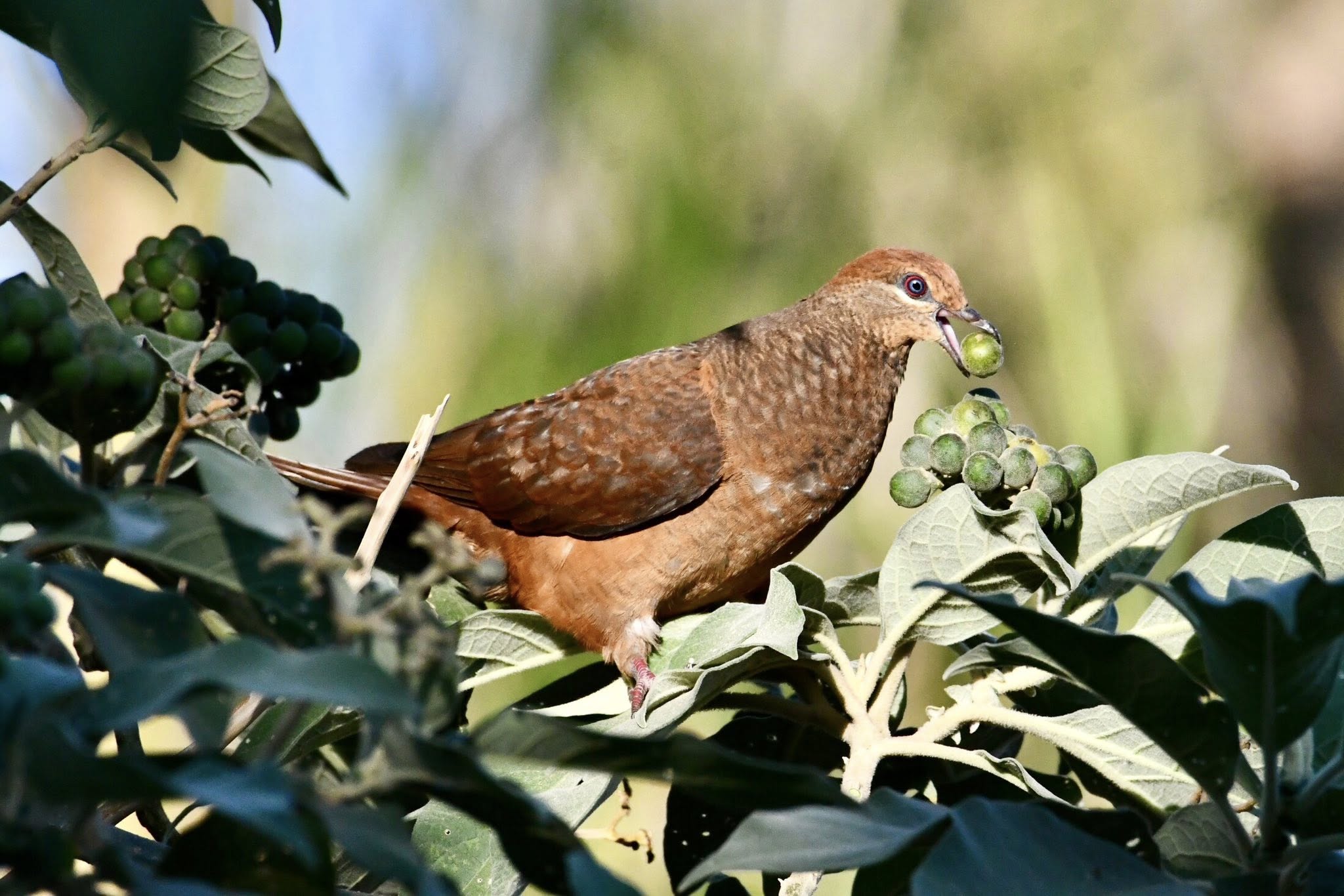
In the absence of native vegetation, many species of weeds are utilised by native animals for shelter, nesting sites, food and roosting.
These weeds are best controlled incrementally, allowing time for the creation of new habitat to occur following restoration activities, so that adverse effects on fauna are minimised. Large woody weeds such as camphor laurel should be treated by stem injection or ring barking (once understorey weeds have been controlled and the area stabilised) and allowed to die in situ, provided there is no risk to humans or infrastructure from falling limbs. The dead trees are ideal perches for birds that prefer to observe their surroundings from an elevated position. Fallen trees and vegetative litter such as decaying weed material all create habitat. Dead trees often contain hollows used by wildlife.
Weeds as habitat examples:
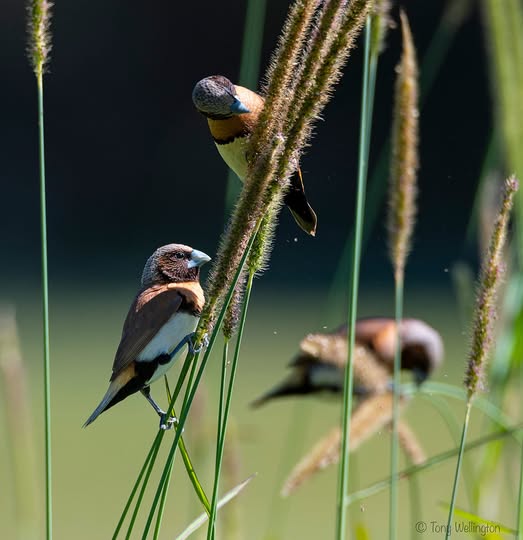
‘It is better to have a weed than nothing at all’
Phil Moran – A previous General Manager of Noosa Landcare and dedicated tree hugger.