We live in a catchment
A catchment is the area where water collects when it rains, generally contained by a natural boundary like ridges, hills or mountains. As water flows across the landscape, it enters streams, seeps into the soil, and eventually feeds rivers that flow to the sea. Along the way, it carries materials like boulders, gravel, sand, silt, and clay—shaping the river over time.
Everyone lives in a catchment, and everything we do within it—land use, vegetation management, urban development—impacts waterway health.
Types of waterways and their behaviours
Found in upper catchments, these streams flow through hard rock and resist erosion.Found in upper catchments, these streams flow through hard rock and resist erosion
Bank stability is governed by bank vegetation or exposed rock walls.
Within vegetated sections of the bed, plant species is governed by the types of bed material (clay, sand or gravel).
These are fixed bed ‘spilling’ waterways usually containing riffles and waterways followed by deep pools.
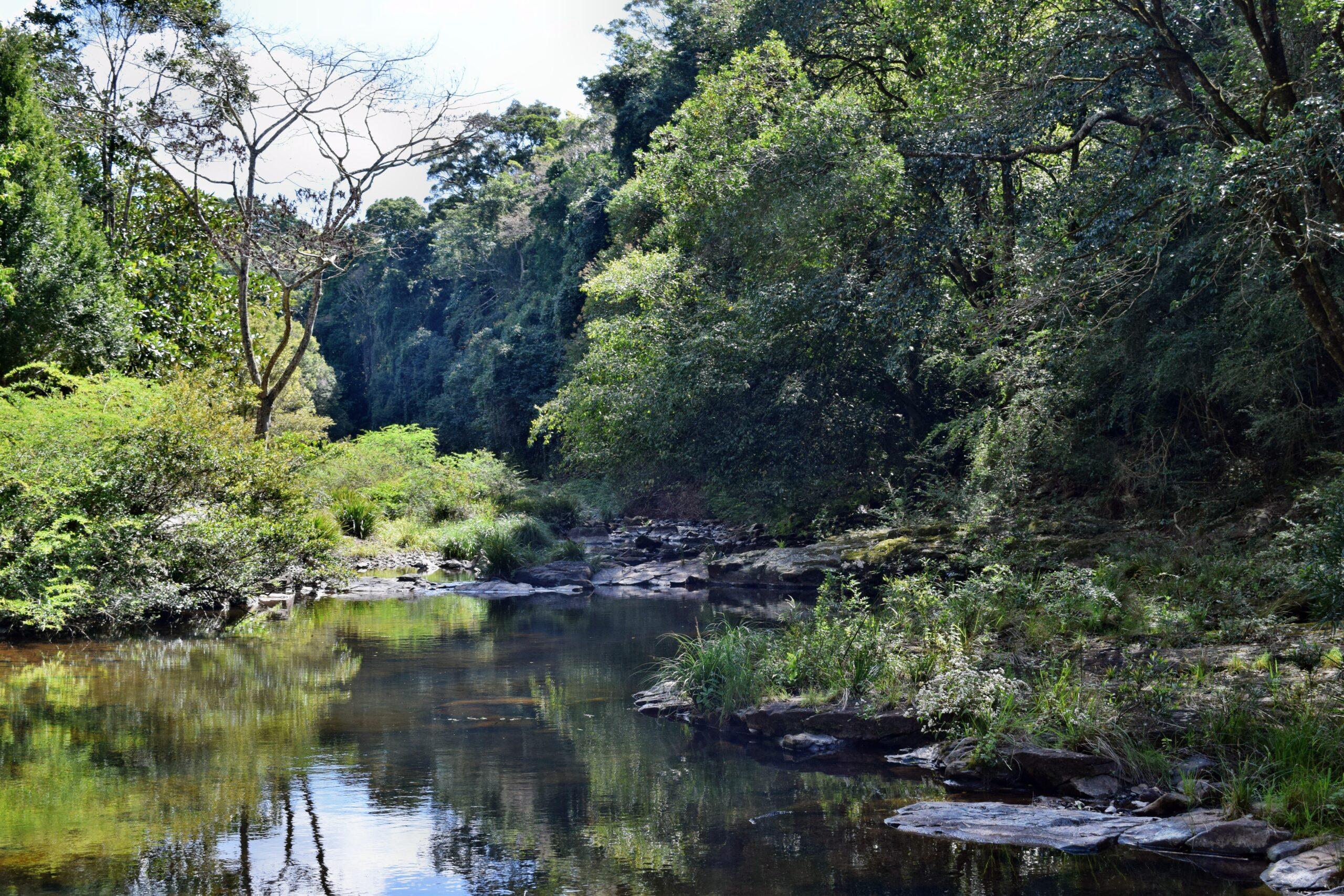
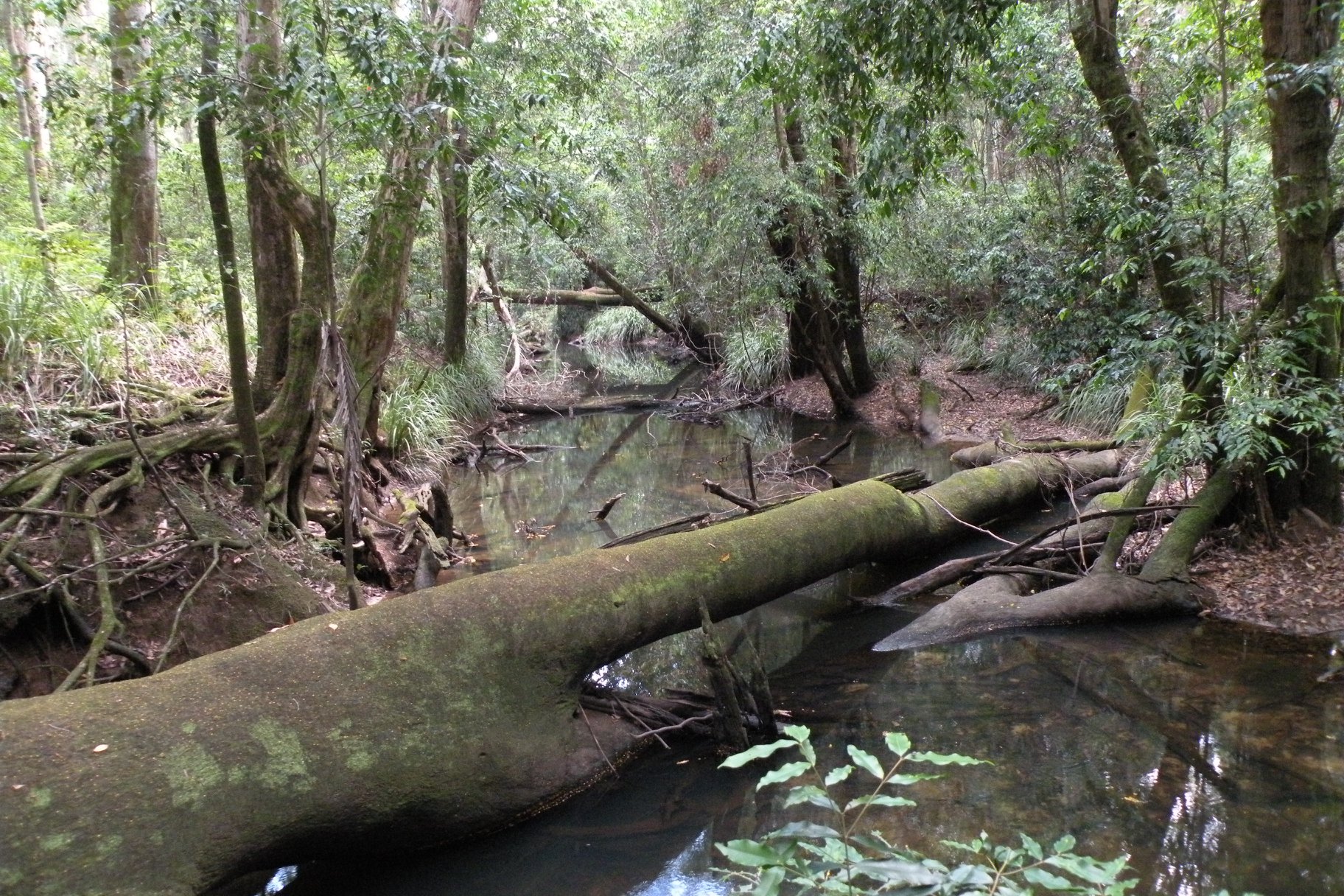
Clayey soils dominate the make-up of the stream bed.
Channel stability is most governed by the strength pf the bed and bank vegetation.
There is usually a gradual change in plant species from the bed to the lower bank, to the upper bank, to the over-bank areas.
In their natural healthy condition, minor clay-based waterways often have little if any measurable sediment flow.
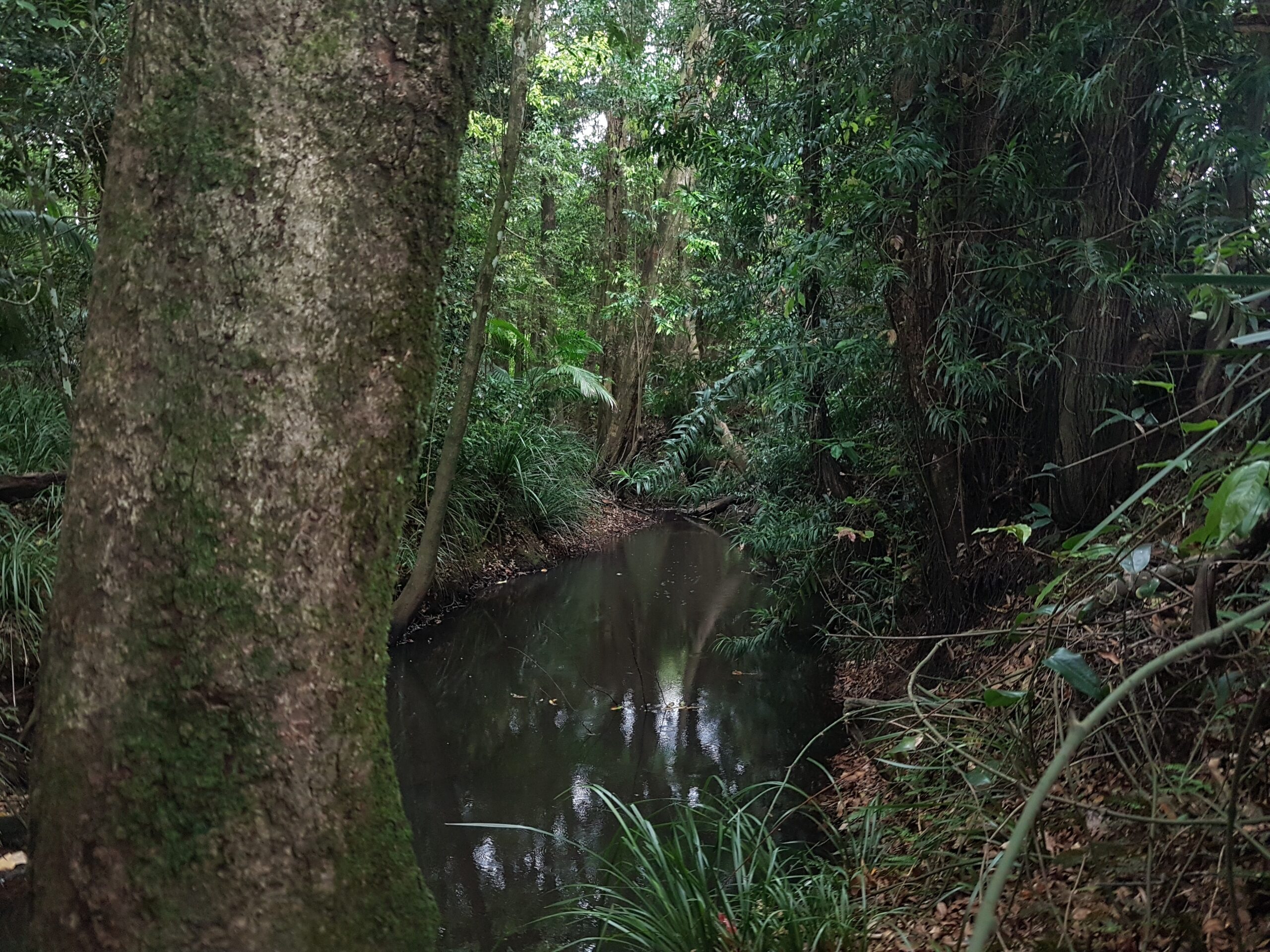
Deep, loose sand dominates the make-up of the stream bed.
These are ‘alluvial’ waterways that experience significant sediment (sand) flow during both minor and major stream flows.
This bed material can be highly mobile during floods; thus, bed vegetation is normally dominated by quick-growing species.
Upper bank vegetation can be similar to clay-based waterways.
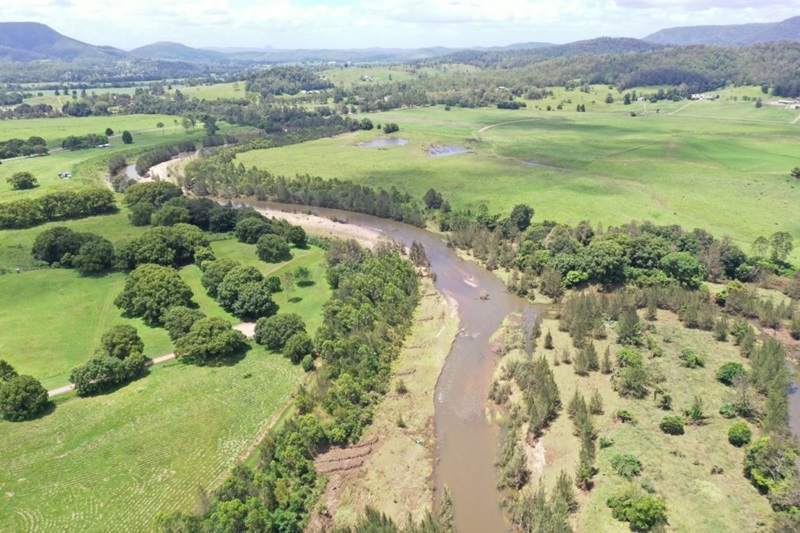
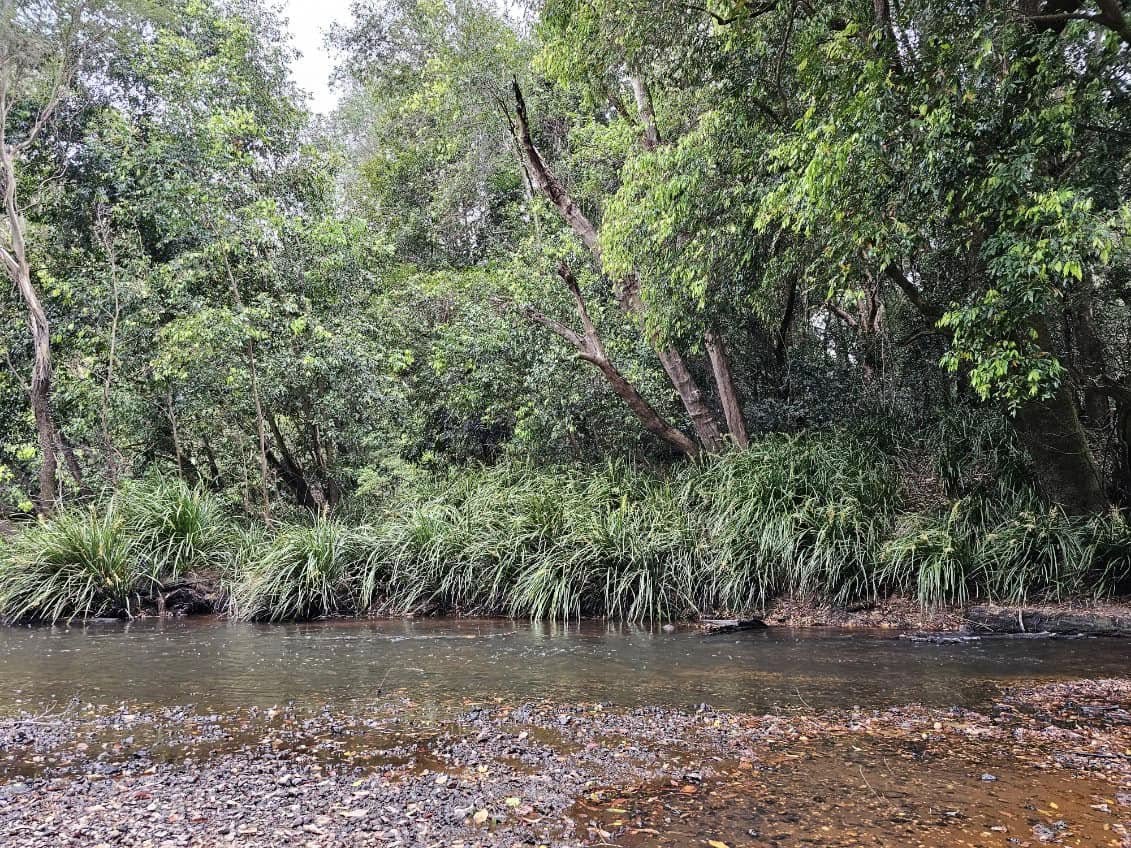
Bed material is made up of well-rounded gravels and boulders.
These are ‘alluvial’ waterways usually containing pools and riffles that completely reform during severe floods. Bed material can be mobile in severe floods, but generally stable during minor floods.
Bank stability is governed by strength of the bank vegetation. Bank vegetation similar to clay-based waterways. Bed vegetation may consists of mature woody and non-woody species, though these are vulnerable to severe floods.
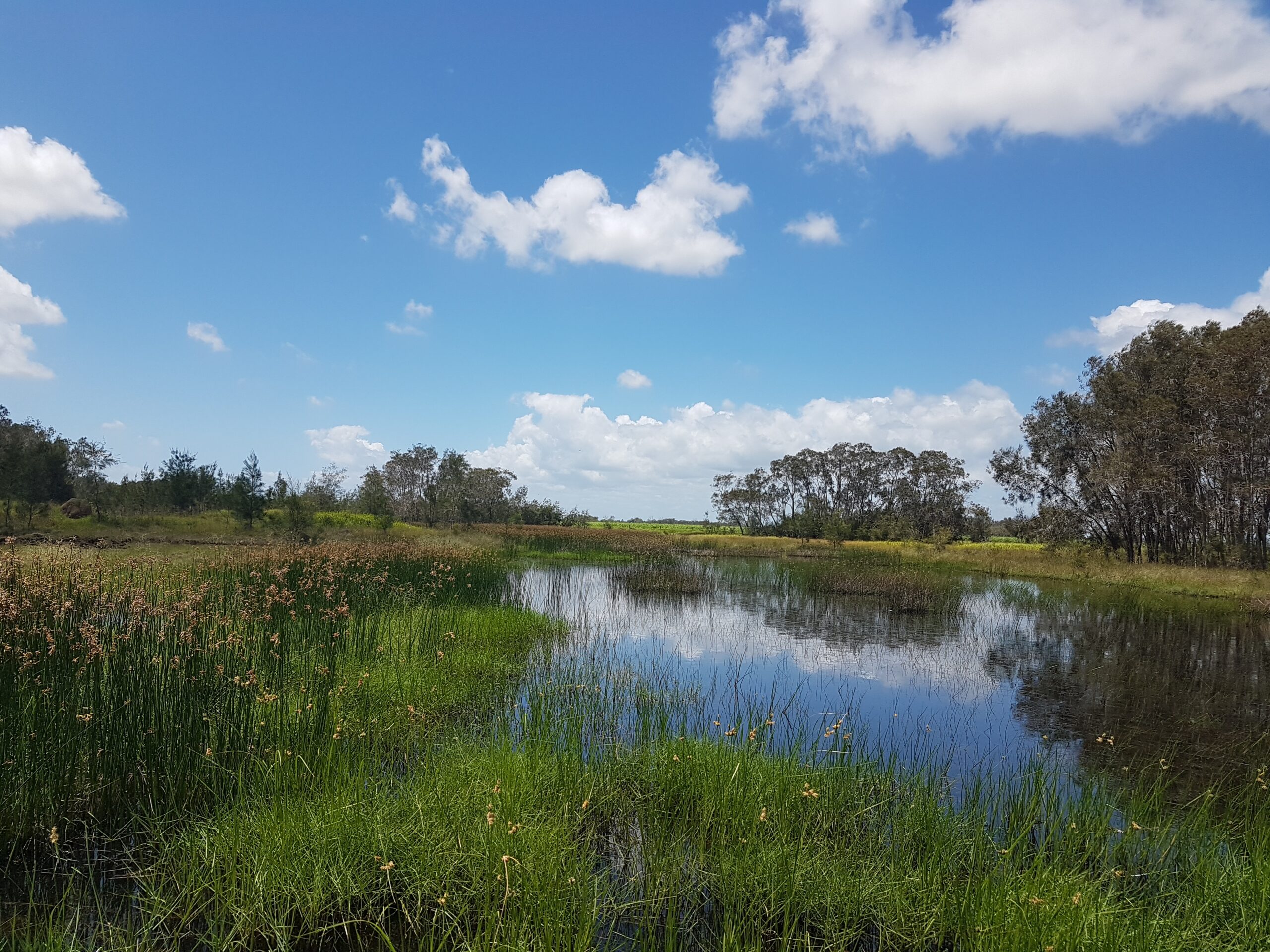
These are dominated by open water. Although lakes may have fringing vegetation, the majority of the wetland area is open water. Dams and other artificial or modified wetlands often have similar characteristics to natural lake systems in that they also have deep, standing or slow-moving waters.
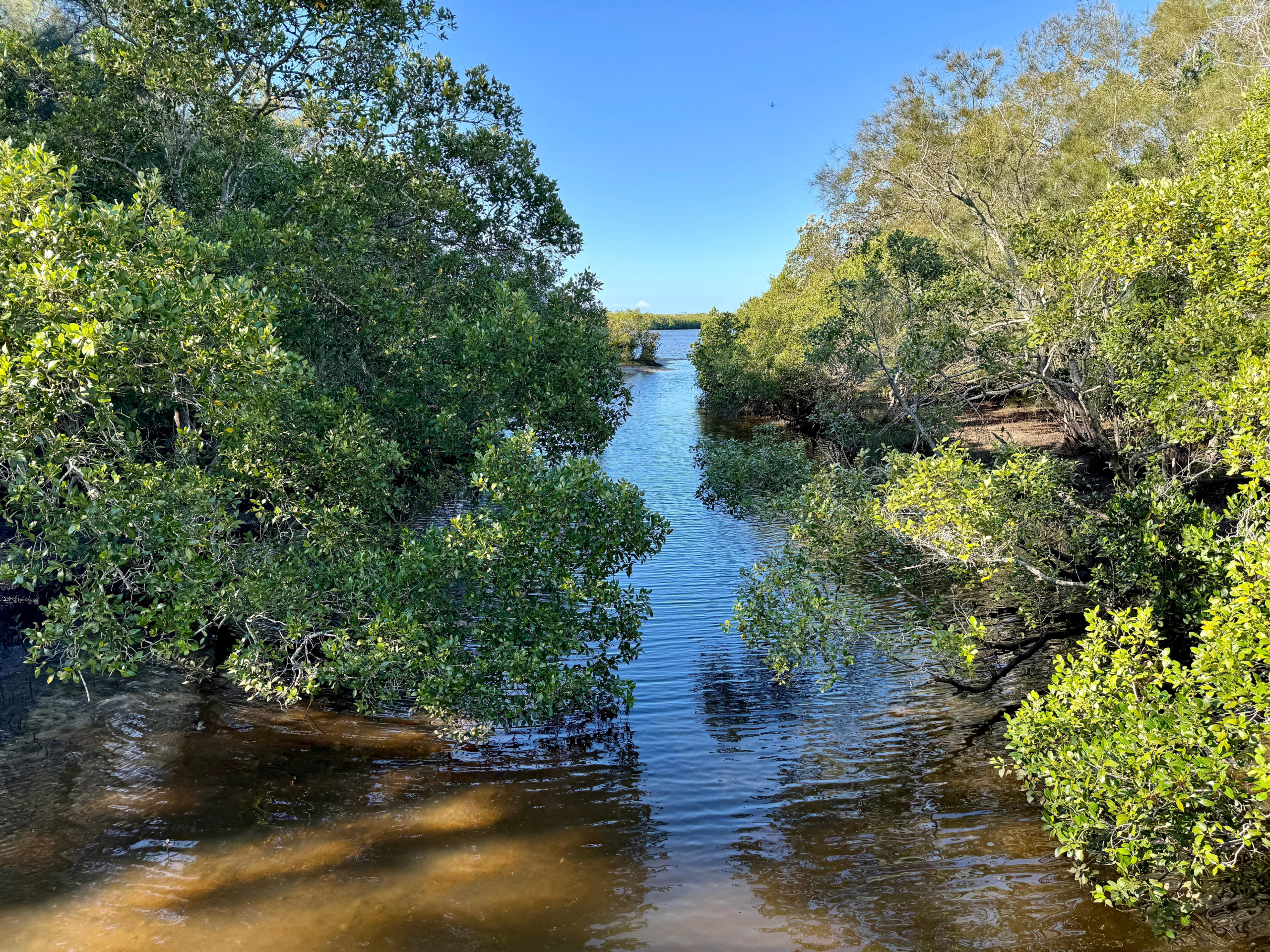
This is where the fresh and marine waters meet. These are tidal waterways comprised of dynamic plant communities of mangroves, salt marsh, sedge communities and fringing coastal woodlands.
Bank stability is governed by bank vegetation. Bed material, usually sand, is highly mobile and dynamic. Mangroves serve as a valuable buffer to erosion caused by storm surges, waves and boat wash.
River Processes
Rivers are dynamic systems that constantly reshape the landscape through erosion, transport, and deposition of sediment. These processes are influenced by a range of natural factors and understanding them is key to managing healthy waterways.
Key River Processes:
- 1
Erosion: The removal of soil and rock from the riverbed and banks, often during high-flow events like floods.
- 2
Transport: The movement of sediment (gravel, sand, silt, clay) downstream by flowing water.
- 3
Deposition: The settling of sediment when water slows down, forming features like sandbars, islands, and floodplains.
These processes shape the river’s form—its width, depth, slope, and meanders—and influence how it interacts with the surrounding landscape.
Lane’s Balance: A River’s Equilibrium
Lane’s Balance is a conceptual model that helps explain how rivers maintain a natural equilibrium between erosion and deposition. It’s based on four key variables:
How the Balance Works
Imagine a set of scales. If one side changes—say, more water flows during a flood or vegetation are removed from the banks—the balance tips.
This can lead to:
When all four factors remain relatively stable, the river adjusts slowly and maintains its shape. But if one or more variables change significantly, the river can rapidly erode its banks or deposit large amounts of sediment, altering its course and impacting surrounding ecosystems.
Why It Matters
Understanding Lane’s Balance helps land managers predict how rivers will respond to changes—like land clearing, urban development, or climate-driven flood events. It also highlights the importance of:
By respecting this balance, we can protect river health, reduce land loss, and safeguard downstream environments like estuaries and reefs.