February is coming – and so is the ‘army’ of Frog Finders.

Frogs are so easy to love! They are endearing with their permanent smile, are non-threatening and relatively easy to observe. Many species are key indicators of a healthy environment so it’s important for us to keep an eye on them and ensure their welfare.

The Find a Frog in February citizen science program is entering its 10th year and has a large community of over 2,250 people from all over the program area (Sunshine Coast, Noosa, Gympie and Fraser Coast council regions) who have been looking for frogs and submitting their observations, often through annual monitoring of their favourite site. Over the past 9 years ‘Froggers’ have sent in 25,375 records of 39 species.

Across the world over 40% of frog species are threatened! The program area is home to over 45 frog species; 10 of these are listed as threatened or have sadly already disappeared. Frogs are easily affected by changes in the air, water and land. Collecting information on their whereabouts and the habitats they use helps us to better manage the whole environment to protect them into the future.

We offer these suggestions to help your local frogs:
  • Make your frog observations count – submit your photos and/or call recordings to Find a
  • Frog in February at findafrog@mrccc.org.au . A frog expert with identify it/them for you and lodge the record.

  • Monitor one or more sites for frog presence and numbers every year during February.

  • Keep some areas ‘messy’ – logs and branches, leaf litter, rock piles, tall grass, etc. (a ‘highrise’ structure provides homes for more life than a single story ‘dwelling’).

  • Keep pollutants out of the environment – chemicals travel easily in water that flows across the land, along drains and through the soil profile. Soap is a frog’s enemy!

  • Consider protecting and reinstating wetlands (billabongs/swamps) that are grazed and/or have been drained or modified.

  • Provide water – ponds, dams, swamps, depressions that fill when it rains, creeks – all with a variety of vegetation, structures and even some bare areas.

  • Don’t move eggs, tadpoles or frogs about – this increases the risk of disease spread.

  • Disinfect your shoes and equipment if moving between water bodies to stop the spread of frog diseases (use 1% bleach solution for 1 minute or dry items out completely between sites).

  • Keep your cats indoors at night as they hunt frogs and other wildlife.

  • Know the difference between cane toads and native frogs and take care if you are controlling cane toads.

  • Act to reverse climate change (see 10 actions at www.un.org/en/actnow/ten-actions)

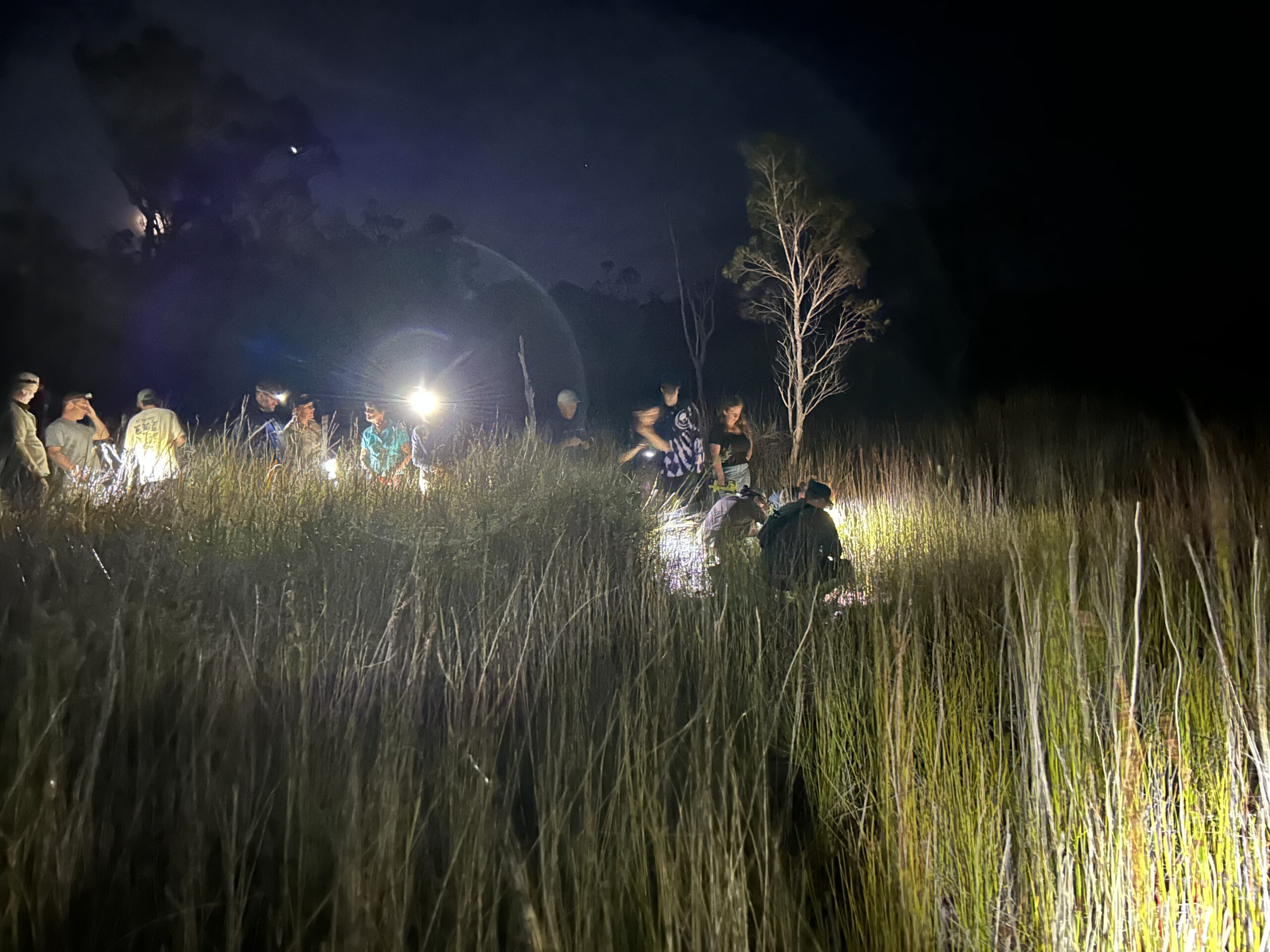
Frog surveyors out at night in the wallum – photo by O. Scully (MRCCC)

There are three ways to send in your frog observations:
  • The FFF record sheet is available at https://mrccc.org.au/frog-in-february/ – complete and send photos and/or recordings to findafrog@mrccc.org.au for identification, verification and entry to the Queensland WildNet database.

  • Join the iNaturalist ‘Find a Frog in February’ project and submit your photos and call recordings.

  • Join the FrogID ‘Find a Frog in Feb – MRCCC’ group to submit your call recordings

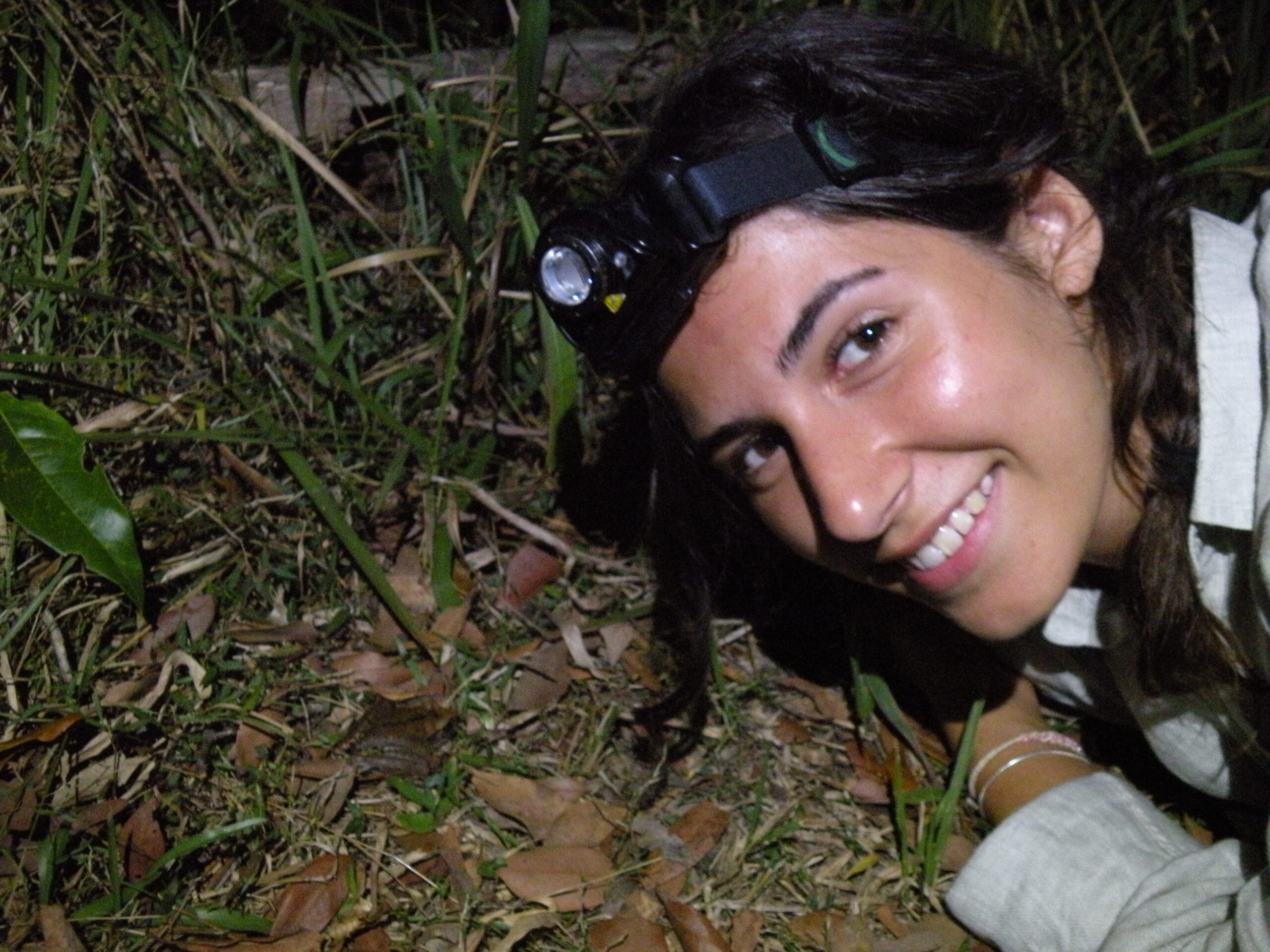
Alice Walters with friendly Giant barred frog – photo by E. Ford (MRCCC)

For more information go to www.mrccc.org.au/frog-in-february/

HAPPY FROGGING from the Find a Frog in February Team – we look forward to hearing from you!

Find a Frog in February is proudly supported by the Sunshine Coast Council, Noosa Shire Council, Gympie Regional Council and the Fraser Coast Council, and delivered by the Mary River Catchment Coordinating Committee.

This article was written by Eva Ford, Mary River Catchment Coordination Committee.

About the Author: Ilana Kelly

Ilana Kelly is a Communications Officer with Noosa Landcare. Ilana has completed a variety of environmental studies and has previously worked in ecological research. Ilana worked in the Project Officer team within Noosa Landcare for five years, focusing on water quality and catchment management in the Lake Macdonald area in partnership with landholders and Seqwater.