
A rainforest is a unique forest ecosystem characterised by a dense, closed canopy and multiple layers of vegetation, including vines and epiphytes.
In the Noosa region, we hold remnant and regrowth of Littoral Rainforest, Subtropical Rainforest, Riparian (Gallery) Rainforest, and Vine Thickets.
Within these broad categories, rainforest types vary significantly, differing in canopy height, species composition, and the proportion of deciduous trees.
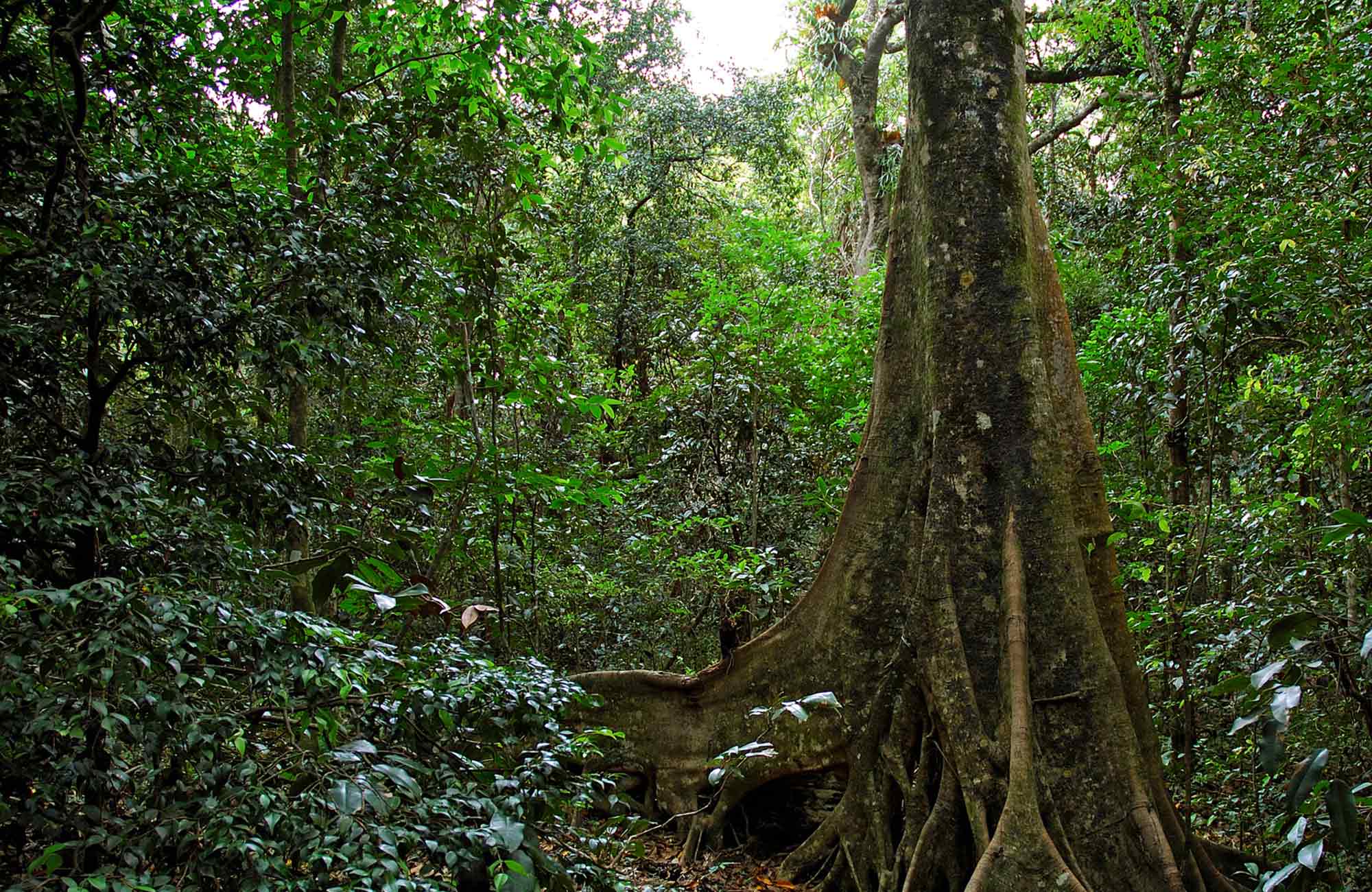
Littoral Rainforest
Found close to the sea either on nutrient-enriched sands or on soil derived for slates, basalts etc.
Holds similar characteristics to Subtropical Rainforest, often with a wind a wind-sheared upper tree canopy tolerant of some salt spray.
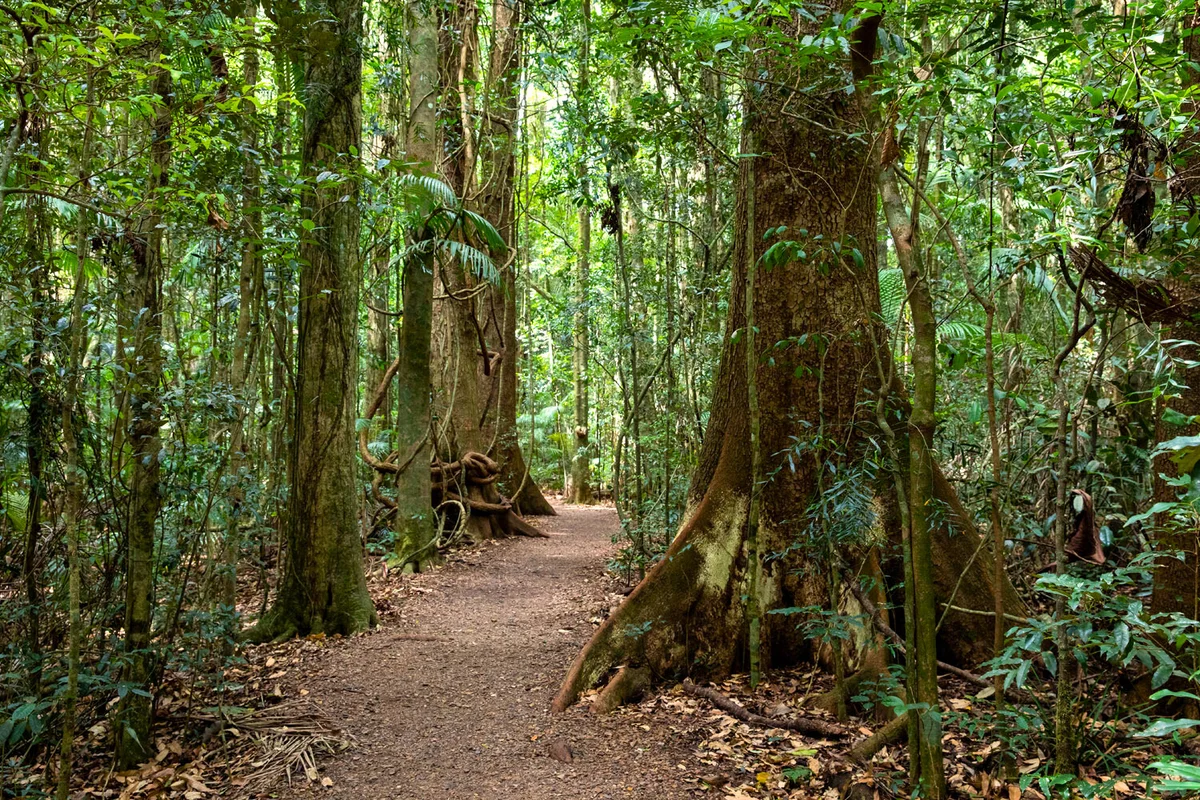
Subtropical Rainforest
Extends south from northern Qld to southern NSW. It is typically made up of 2 or 3 tree layers forming a tall uneven canopy.
Forest is comprised of stranglers, palms, plank buttresses, large epiphytes and woody vines.
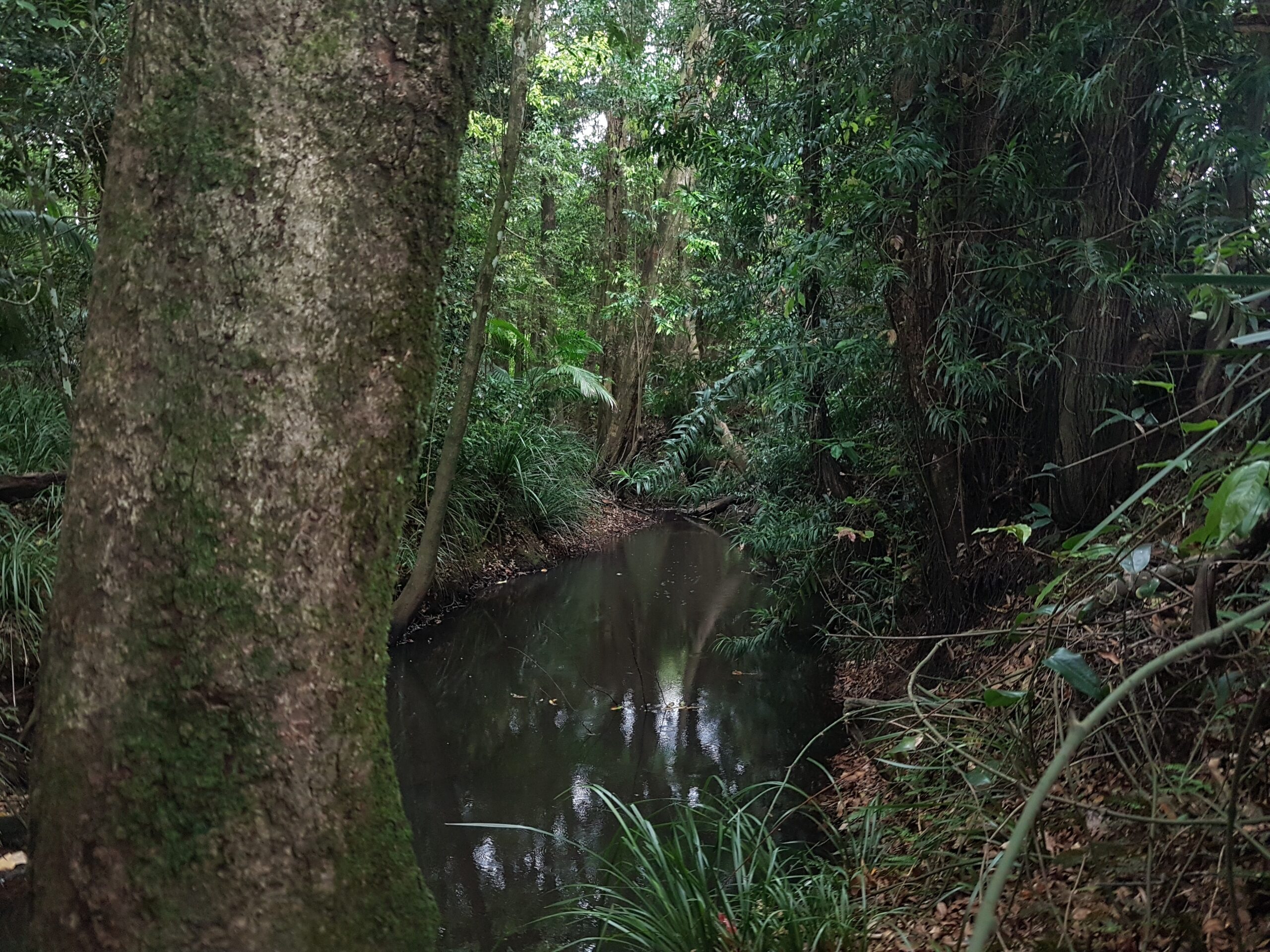
Gallery Rainforest
Occurs along rivers and creeks. The vegetation is influenced by the level of the water table, and the deposition of alluvium from periodic flooding.
Occurs in or adjacent to most types of rainforests and often adjoins Eucalypt or other wetland systems.
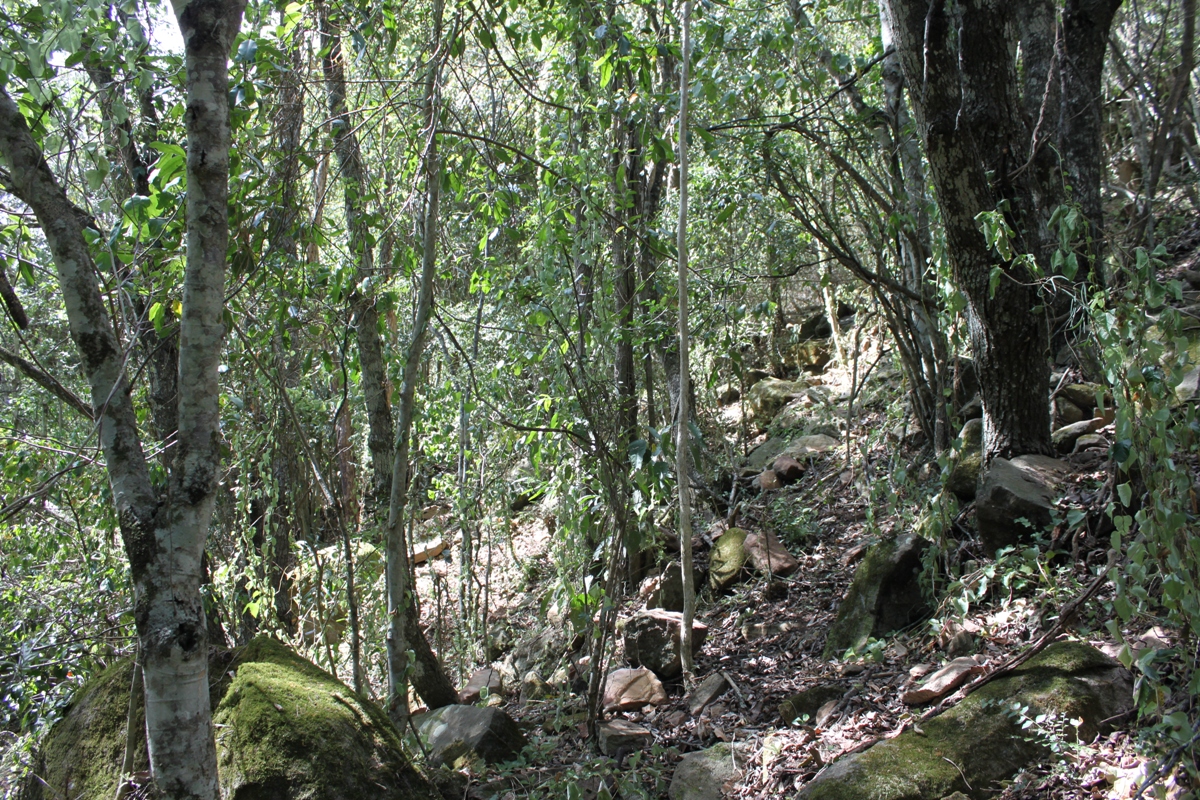
Vine Thicket
Also known as Softwood Scrubs. Comprised of canopy trees less than 10m high, overtopped by taller emergent species, many which are deciduous or semi deciduous trees. Rainforest vines and some epiphytes are also present.
The canopy is quite open, with many gaps.
Regional Ecosystems
Regional Ecosystems are a Queensland vegetation community classification system and mapping tool developed by the Queensland Government. It incorporates its regional location, the sites underlying geology, landform and soil and the different vegetation that makes up the ecosystem type. This is a more detailed classification of vegetation communities then the broad vegetation communities outlined in this page.
Regional ecosystems can help you identify suitable species for your revegetation project, help with the planning of fire management, weed management etc., identify the types of fauna habitat and fauna species that may be present on the property and identify which vegetation is regrowth or remnant.
Learn more about Regional Ecosystems – here.
Download your properties Regional Ecosystem map and classification – here.
Regional Ecosystem classification examples for this vegetation community in the Noosa Shire (click to download an RE description or factsheet):
Soil and Geology:
Rainforests communities can occur across a variety of geological types, and soil, including deep alluvial soils to granites, basalts, Rhyolites and metamorphic sedimentary rock.
Relationship with fire:
Rainforests are typically absent from fire, and it is not recommended in the management of this vegetation community. Fire is generally not a threat to undisturbed rainforests, but fires can burn into rainforests after prolonged drought and spread through large areas.
Introduced pasture grasses and other weeds in degraded rainforest patches can also increase fire risk, especially during dry conditions.
Threats:
Lowland Rainforest of Subtropical Australia is a Critically Endangered Ecological Community under the Environment Protection and Biodiversity Conservation Act 1999 (EPBC Act). This was driven by the historical clearing and fragmentation of this rainforest community for the timber agricultural industry.
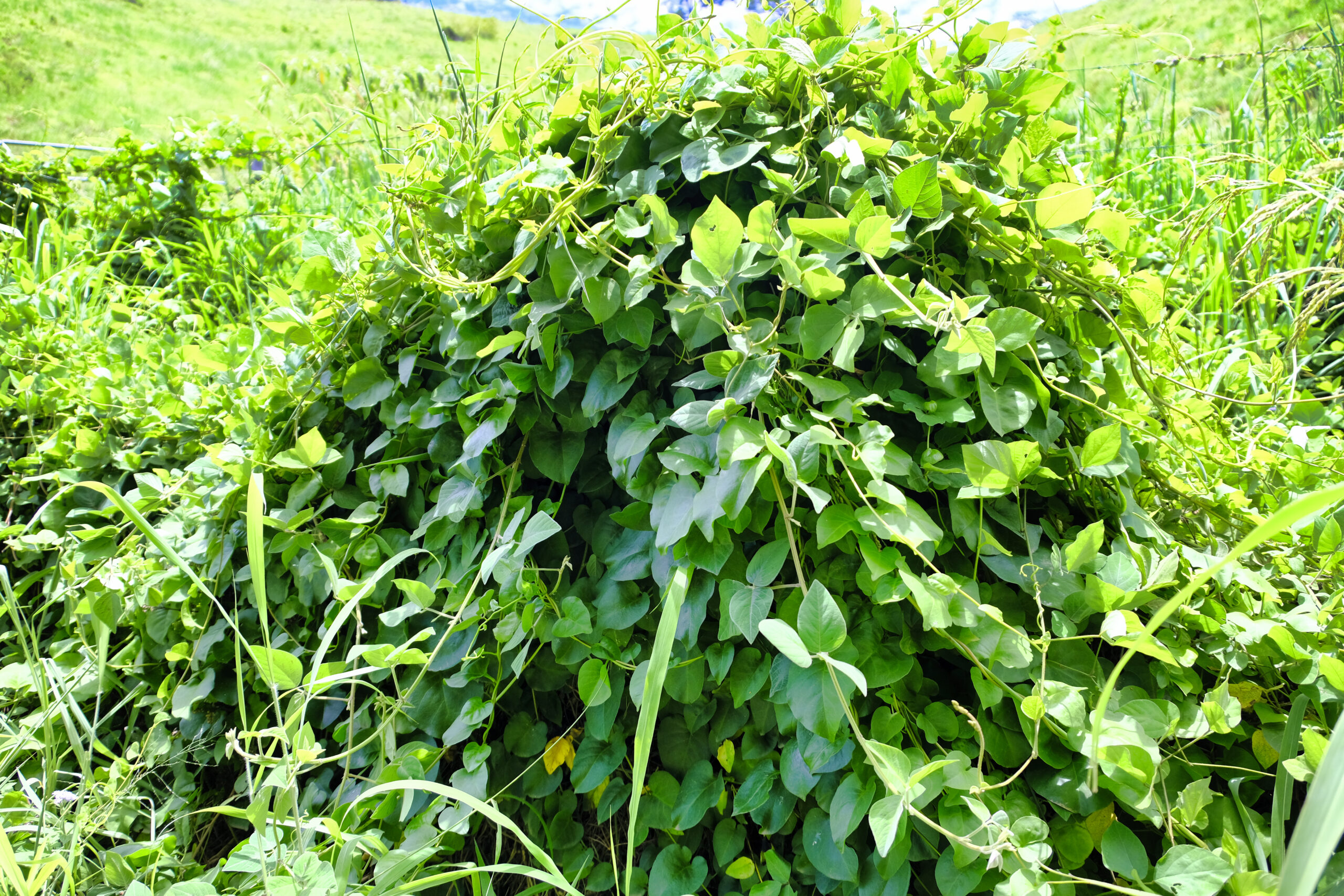
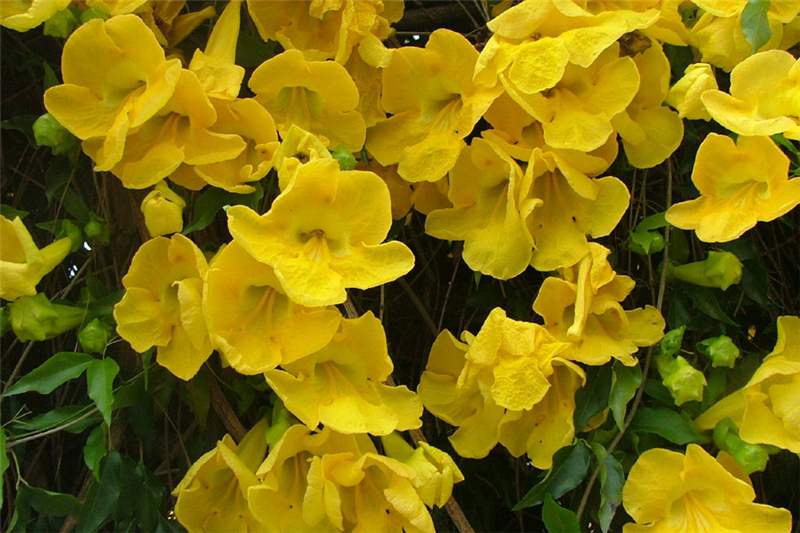
Keep Cat’s Claw from creeping in…
Help us track and tackle Cat’s Claw Creeper (Macfadyena unguis-cati) and Madeira Vine (Anredera cordifolia) across the Noosa Shire.
Spot it? Report it. Share your Cat’s Claw and Madeira vine sightings through our online reporting portal.
Head to our program webpage to report your infestation and explore more information about the program, including support for Noosa Shire landholder to undertake control works for these two priority weeds.
Values:
Management Considerations:
Land managers are aiming to maintain or restore a native species composition indicative to a rainforest community and manage pressures such as weeds, fire, feral animals and livestock grazing to encourage and protect ecosystem values.
Restoration:
Much of our local landscape has experienced significant changes over time, mainly driven by activities such as land clearing for development and agriculture, as well as extraction industries like mining along the Mary River. The growing pressures from urbanisation and climate change have further exacerbated the impact on our local environment.
As land managers, we can play a vital role in helping preserve the health of the natural environment and restore the ecological balance in areas impacted by past disturbances.
What is Ecological Restoration? Here at Noosa Landcare, we like to follow the definition of Ecological Restoration applied by the Society for Ecological Restoration (SER):
“Ecological restoration is the process of assisting the recovery of an ecosystem that has been degraded, damaged, or destroyed.”
There are three main ecological restoration approaches as identified in the National Standards for the Practice of Ecological Restoration in Australia. These three approaches are usually used alone or combined if appropriate for the site. All will require ongoing adaptive management until recovery is reached.
Where damage is relatively low, pre-existing vegetation should be able to recover with threat removed or stopped.
This approach is suitable for bushland areas that:
Weed-free areas of native vegetation | Native species are naturally regenerating i.e. evidence of a diversity of native seedlings and life stages of plants and animals | Mix of diverse native species indicative to the vegetation community(s) present|
Common threat examples:
Storm disturbance – Flood, Rain and Wind damage | Vegetation clearing | Inappropriate fire regimes and wildfires | Inappropriate grazing regimes | Lack of connectivity |
Management action examples:
Fence bushland area to exclude grazing or adjust grazing regime more effectively to minimise risk of over grazing or damage to native vegetation | Develop and implement a fire management plan | Establish connectivity between bushland areas where viable using the reconstruction approach |
Recovery at sites of intermediate (or even high) degradation. Need both the removal of causes of degradation and further active interventions required to trigger natural regeneration and recovery key ecological features.
This approach is suitable for bushland areas that:
Regrowth or recovering vegetation communities | native plant seed is still available on site or will be able to reach the site from nearby bushland areas, by birds or other animals, wind or water | natural regeneration is being inhibited by external factors, such as weed invasion, soil compaction, cattle grazing, mechanical slashing, etc. | Some key ecological and habitat features missing e.g. tree hollows, shrub layer |
Common threat examples:
Inappropriate fire regimes and wildfires | Inappropriate grazing regimes | Weeds and feral animals | Erosion | Slashing and broadscale chemical spraying|
Management action examples:
Integrated Weed management | Applying disturbances such as fire to break seed dormancy | installing habitat features such as hollow logs, rocks, woody debris piles and perch tree | reshaping and stabilisation of watercourses | Remediating soil chemistry and/or soil structure | Identify emerging trees and shrubs and use slashing and brushcutting practices to aid the reestablishment of the native vegetation. Avoid blanket slashing of areas. | Revegetation may be suitable to reestablish species for genetic diversity purposes or that cannot return to site without direct intervention e.g. rare and threatened species.
Where resilience is depleted, and abiotic or biotic elements need to be reestablished before recovery can commence.
This approach is suitable for bushland areas that:
Areas that have experienced significant, long-standing disturbance that the pre-existing native plant community cannot recover by natural means | Significant weed coverage |
Common threat examples:
Inappropriate fire regimes and wildfires | Inappropriate grazing regimes | Weeds and feral animals | Erosion | Slashing | Clearing | Lack of connectivity |
Management action examples:
Revegetation| Integrated Weed management | reshaping and stabilisation of watercourses | Remediating soil chemistry and/or soil structure |
A note on weeds for this vegetation community:
Disturbance from fire, clearing, grazing, and timber harvesting has encouraged invasion by Lantana (Lantana camara) and other light-loving woody weeds, which thrive in fertile, moist soils. Major woody invaders include Camphor Laurel (Cinnamomum camphora), Broad-leaved Pepper (Schinus terebinthifolia), Chinese Elm (Ulmus parvifolia), Yellow Guava (Psidium guajava), and Large-leaved Privet (Ligustrum lucidum).
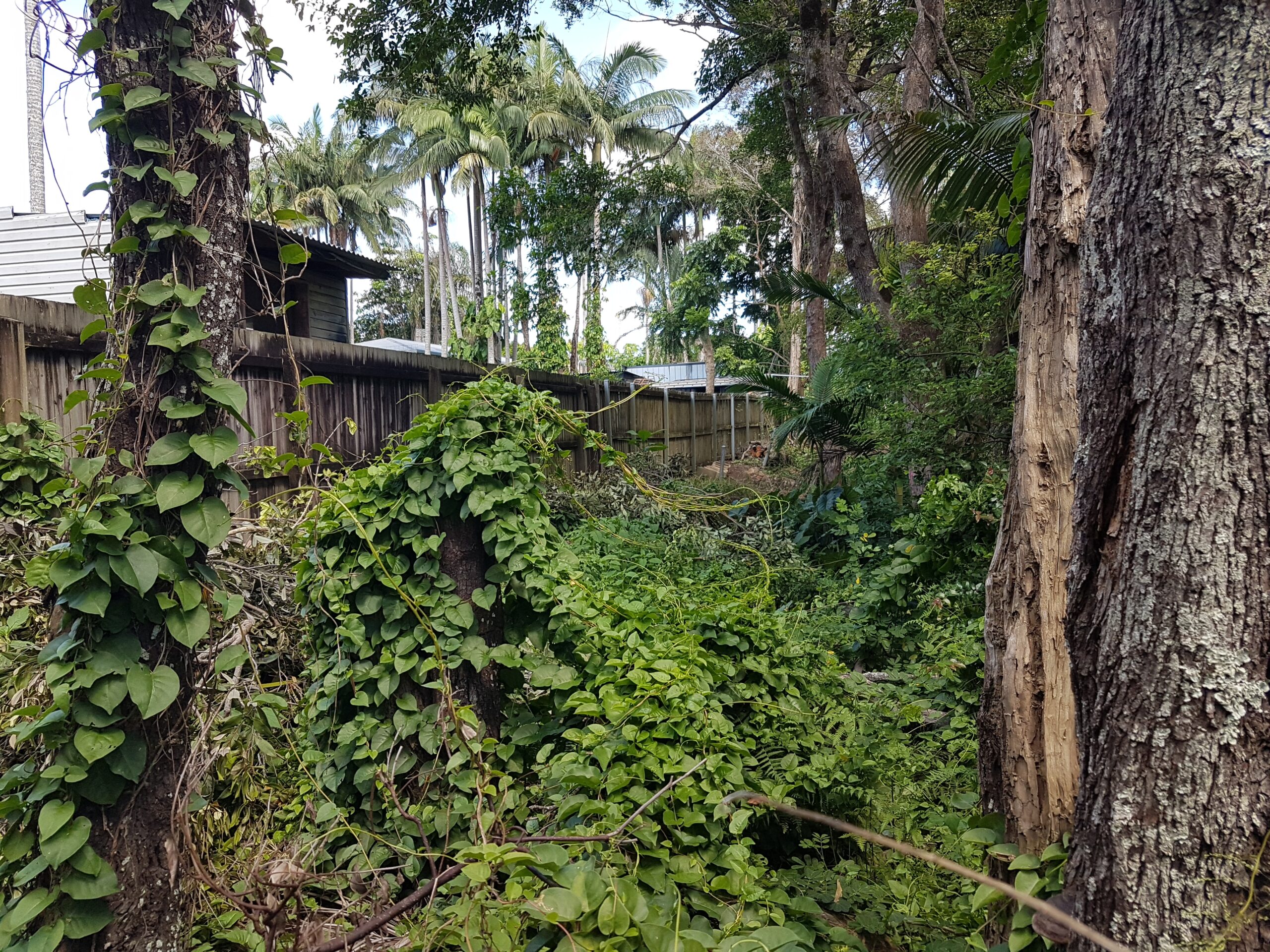
Invasive vines such as Cat’s Claw Creeper (Dolichandra unguis-cati), Dutchman’s Pipe (Aristolochia elegans), and Madeira Vine (Anredera cordifolia) pose a significant threat by invading and degrading even intact rainforest. Weed control efforts should prioritise the removal of these high impact “transformer” species which have the potential to alter the whole ecosystem.
It is thought that the presence of weeds can be helpful in aiding natural regeneration at highly degraded sites where native species are no longer present or where current environmental conditions prevent their growth. More recent research has been exploring and documenting the benefits of weeds in large scale rainforest restoration efforts.
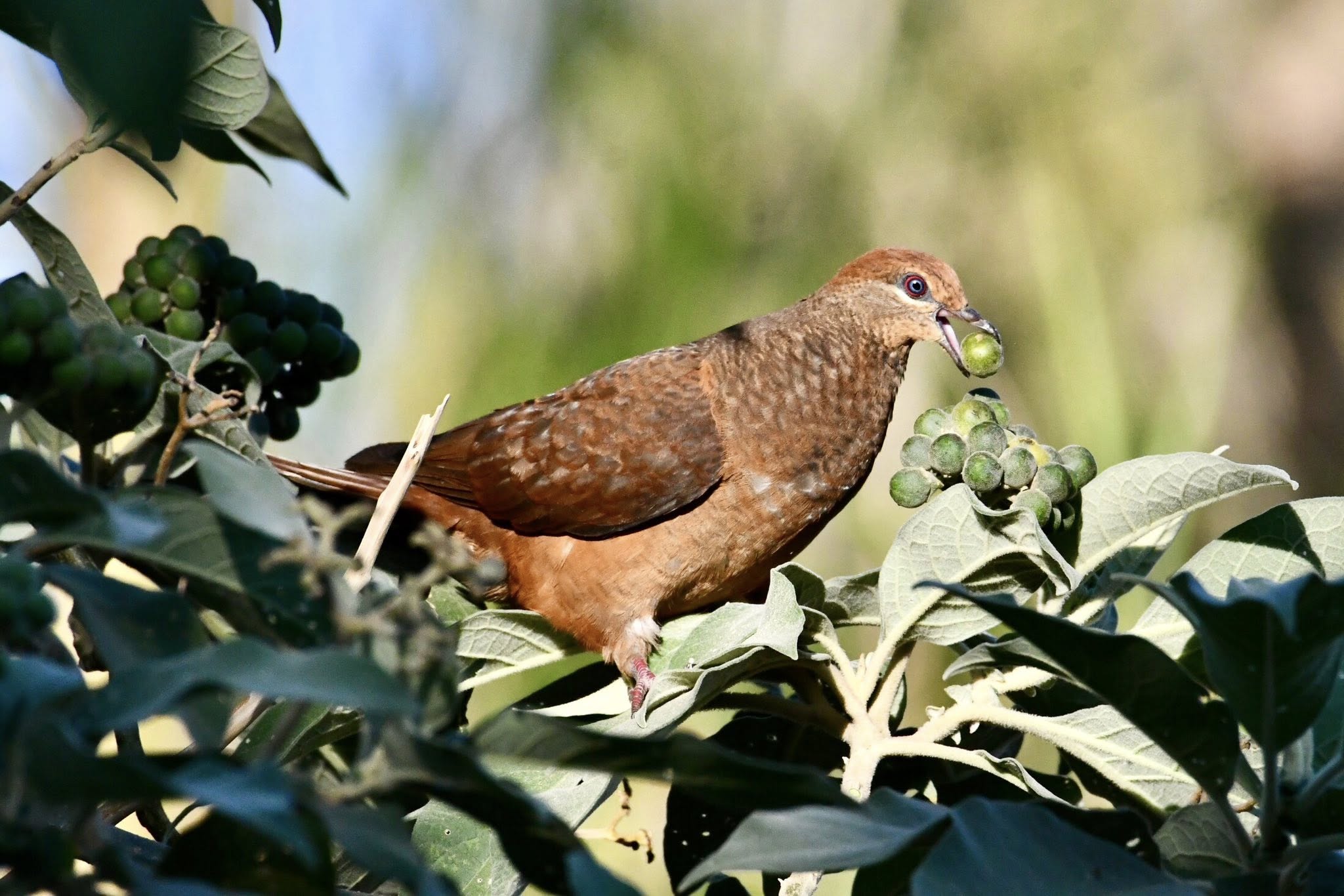
The benefit of some weeds in ecosystem restoration is similar to that created by native pioneer species. For example, where a rainforest environment once grew and is now pasture, the establishment of a weedy woody vegetation cover (e.g. Wild tobacco, or Camphor Laurel) can help initiate the process of regeneration by shading out aggressive grasses and herbaceous vegetation and improving microclimatic conditions. While also attracting frugivorous (fruit-eating) animals which help introduce the seeds of native rainforest plants to the area overtime.
The strategic management of the woody weeds can be a much cheaper method of restoring forests than clearing and replanting. Therefore, it is important to determine whether the weed is helping or hindering the establishment of a forest on your site to better inform your weed management plan for your property.
Please visit our weed management page for more information on weed management planning and weed control methods.
A note on grazing for this vegetation community:
Despite rainforest species providing limited fodder value to livestock, unmanaged grazing in rainforest communities impact the health of this vegetation community when livestock use these areas for camping and shade, resulting in trampling, damaging young plants and creating bare ground encouraging weeds.
Goats, horses and other browsing animals like feral deer will cause more damage than sheep or cattle by eating a wider range of species. Feral pigs frequently shelter in these scrubs and cause significant damage through digging for roots, grazing and disturbing and preying on ground dwelling fauna.
To protect the ecological values of rainforest communities and encourage recovery of degraded rainforest, fencing is recommended to manage grazing pressure from livestock.