
Shrub dominated vegetation type, typically co-occurring with undershrubs, sedges, forbs and few grasses. Scattered trees may be present, rarely exceeding 10m tall.
Large proportion of Noosa’s remaining heathland is protected under National Parks, Nature Refuge or Council reserves. Heathland has been extensively cleared historically across the Sunshine Coast, and its natural extent has been significantly reduced.
The three categories of heath vegetation are explained below.
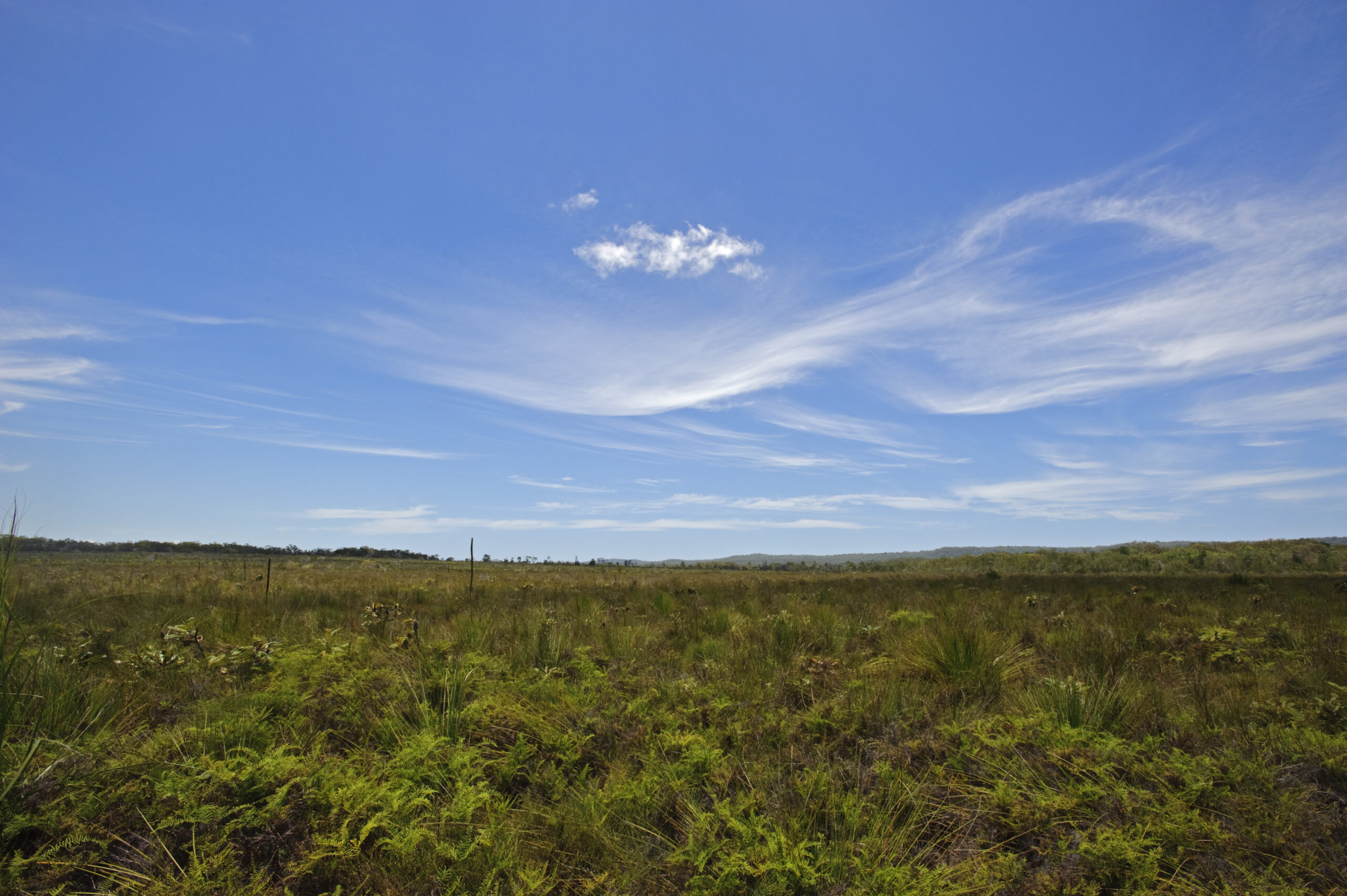
Wet heath:
Wet heath is present where the water table is high or close to the surface, occasionally forming fens. This is often a treeless system with the expectation of stunted Coastal Paperbark (Melaleuca quinquenervia) & Swamp Stringy Bark (Eucalyptus conglomerata). Sedges and rushes dominate this community. This is considered a wetland community.
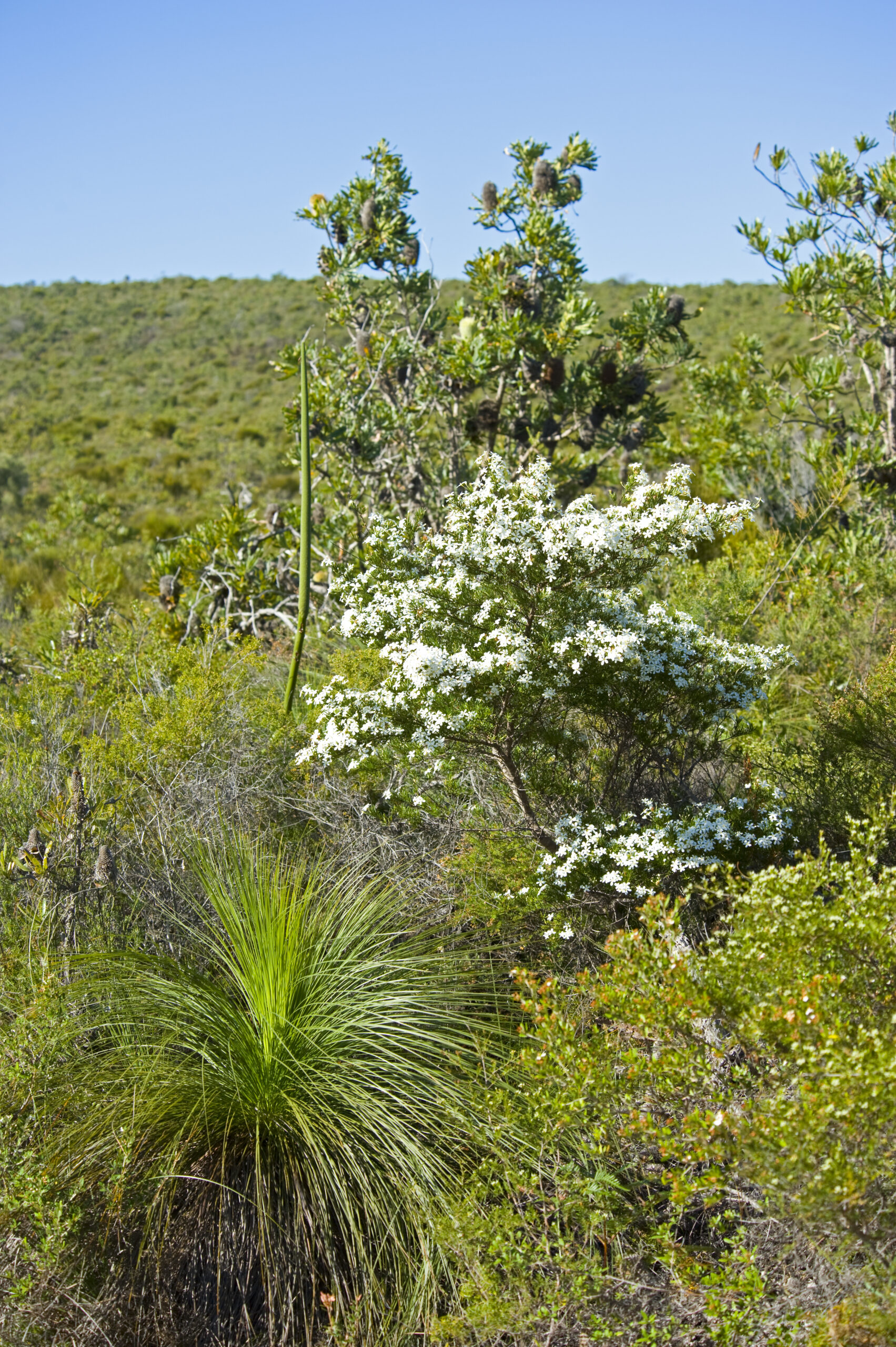
Dry heath:
Dry heath occurs on stabilised sand dunes, you can find Wallum Banksia (Banksia aemula), Snow Heath (Woollsia pungens) and Wedding Bush (Ricinocarpos pinifolius) dominating. The more exposed areas have very low vegetation resembling a wildflower bonsai garden whereas the more sheltered areas will have shrubs. Structurally more open than wet heath.
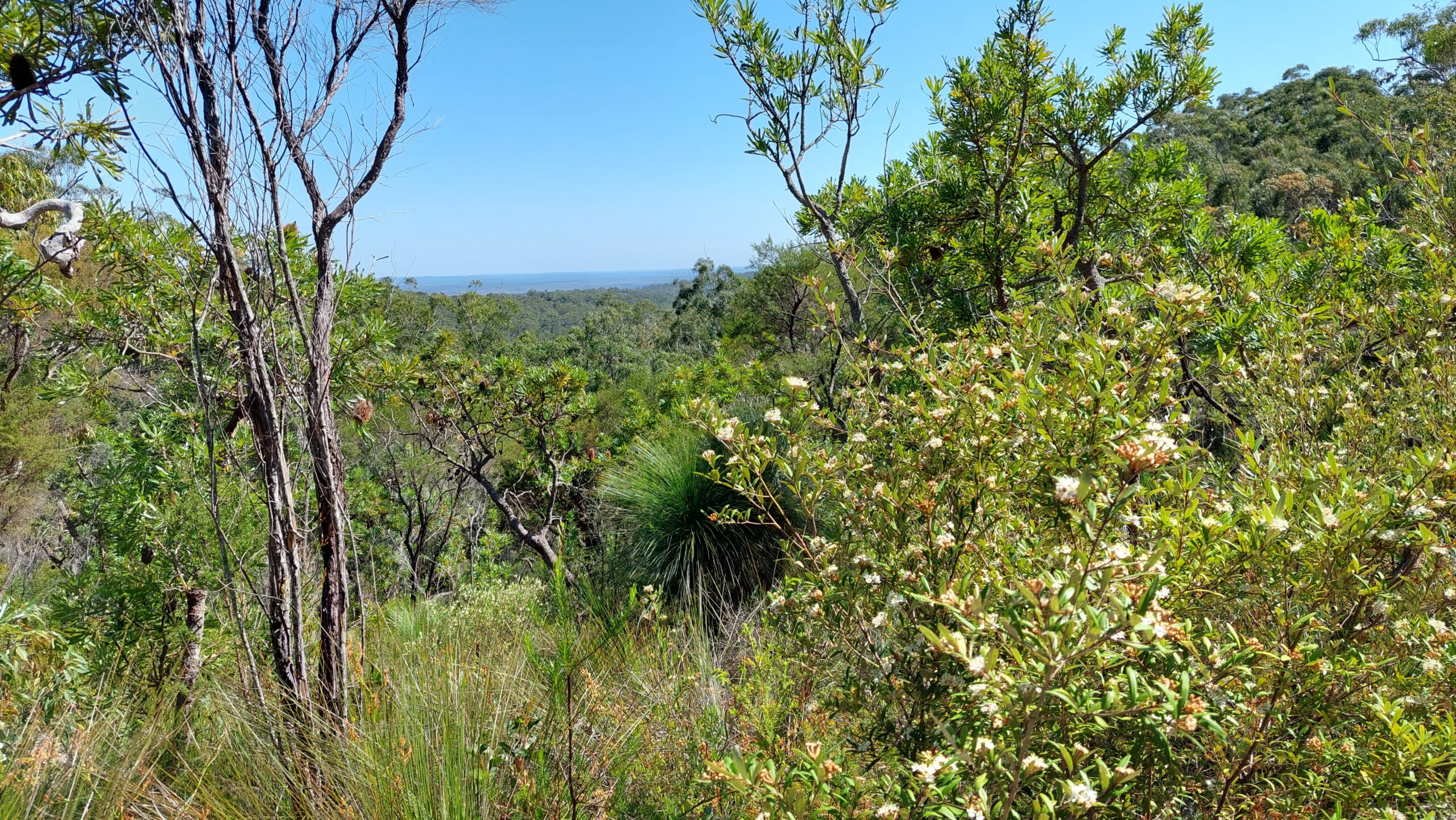
Wallum woodland:
Wallum woodland fringes on both communities on more sheltered aspects with deeper soil profiles. This community is named after the Kabi Kabi word for Banksia aemula “Wallum”. The canopy is sparse covering 20-50%. Key species for this community are Black Shea-oak (Allocasuarina littoralis), Wallum Phebalium (Phebalium woombye) and Wedding Bush (Ricinocarpus pinifolius) with a dry heathy understory.
Regional Ecosystems
Regional Ecosystems are a Queensland vegetation community classification system and mapping tool developed by the Queensland Government. It incorporates its regional location, the sites underlying geology, landform and soil and the different vegetation that makes up the ecosystem type. This is a more detailed classification of vegetation communities then the broad vegetation communities outlined in this page.
Regional ecosystems can help you identify suitable species for your revegetation project, help with the planning of fire management, weed management etc., identify the types of fauna habitat and fauna species that may be present on the property and identify which vegetation is regrowth or remnant.
Learn more about Regional Ecosystems – here.
Download your properties Regional Ecosystem map and classification – here.
Regional Ecosystem classification examples for this vegetation community in the Noosa Shire (click to download an RE description or factsheet):
Soil and Geology:
This habitat is found mostly near windswept, salt-sprayed coastal areas, on clay soils, sand dunes and, most typically, sandstone.
Relationship with fire:
Heathlands are highly fire prone, though its vegetation has evolved to recover well after fire and some species even require fire for seed release and germination. The fire regime (frequency, intensity, and season of occurrence) has an enormous effect on composition and structure of the vegetation community.
Increasing time since fire may create a variety of habitats within the heath that suit different species, and different species favour different burning patterns and stages of vegetation recovery from a fire. Animals may tolerate fires as they often occur in mosaics and can seek refugia in unburnt patches.
Inappropriately planned burns and wildfires in wet heath when soil is not wet can lead to the decline of peat soils and increase the risk of destructive fires.
Threats:
Values:
Management Considerations:
Majority of the remaining coastal heathland is located in public land, managed by local and state government.
Visitor to these vegetation communities should follow these simple guidelines to ensure these amazing biodiverse environments stay healthy:
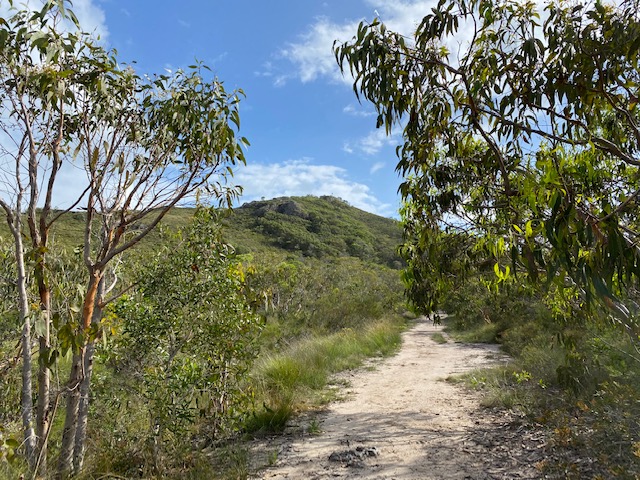
Stay on established tracks
Stick to marked paths to avoid trampling delicate shrubs, herbs, and groundcovers. Heath soils compact easily, and recovery can take years.
Avoid disturbing vegetation
Many healthland species are slow‑growing and adapted to low nutrients; broken branches or trampled plants don’t bounce back quickly. Be mindful when taking photos, don’t be tempted to step into the vegetation for a better angle when taking that perfect shot (photography).
Don’t pick flowers, seeds, or cuttings. These communities rely on natural regeneration cycles. Many species are also threatened and rare in healthland communities due to their restricted distribution on the Sunshine Coast and across Australia. Removal of plants is strongly discouraged to ensure that these species thrive into the future.
Respect fire sensitivity
Healthlands are fire‑adapted, but not fire‑proof. Avoid any activity that could spark ignition (cigarettes, stoves, campfires) in these bushland reserves.
Please abide to fire bans and fire regulations on your own property to minimise the risk of wildfires occurring.
Minimise wildlife disturbance
Many species shelter in dense heath shrubs; keep noise low and avoid pushing into vegetation. Observe fauna from a distance and avoid feeding wildlife.
Prevent weed and disease spread
Clean boots, clothing, and gear before and after visiting. Seeds from lantana, molasses grass, and other wicked weeds can easily hitchhike into sensitive heath.
Walkers can disinfect their boots before entering reserves with diluted methylated spirits to reduce the risk of spreading Phytophthora – soilborne fungal disease. Phytophthora can cause significant ecological damage to these sensitive environments.
Choose appropriate recreation
Avoid mountain biking or trail running on narrow heath tracks unless they’re designated for that use. These activities can widen paths and accelerate erosion.
Keep dogs under control
Dogs can disturb ground‑nesting birds and small mammals. Stay on-lead or leave your furry friends behind this time. Some reserves are not permitted to have any domestic animals.